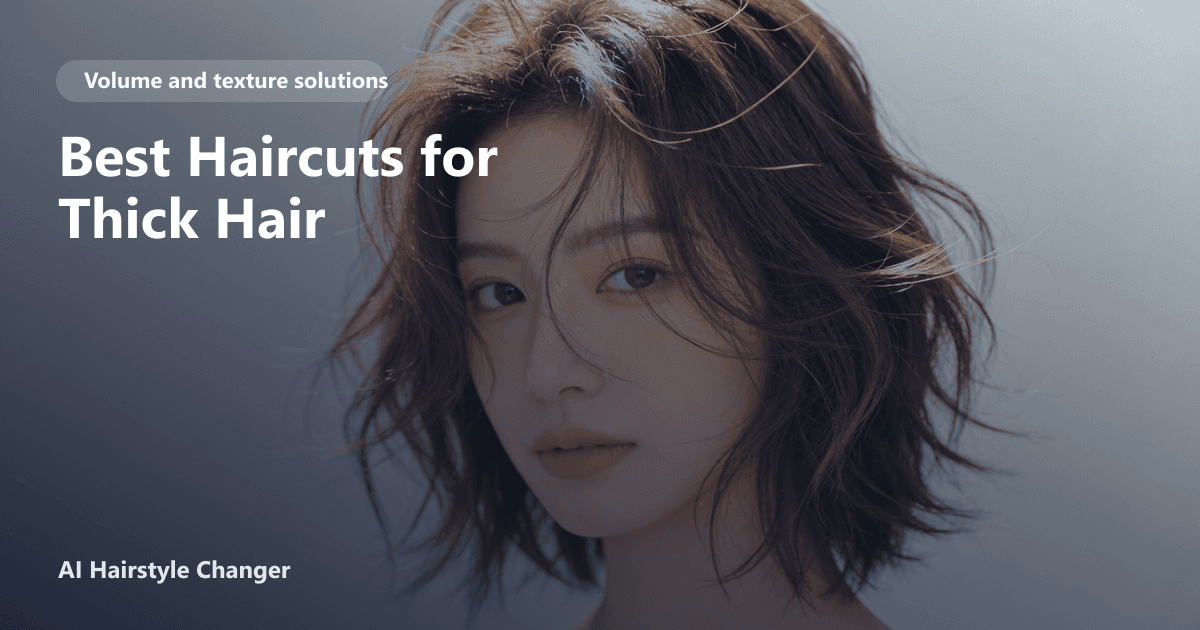
If you have thick hair, you know the struggle: bulk at the ends, heavy roots, and styles that can fall flat or balloon out by midday. Booking a haircut with thick hair isn't just about choosing a trendy shape - it's about finding a style that manages volume, flatters your face, and feels lighter without sacrificing the natural fullness you love. The right cut can transform your daily routine, but the wrong one leads to endless thinning, frustration, and regret. Here's how to make the best choice - and how to preview it with AI Hairstyle Changer before you commit.
Why Thick Hair Needs a Different Approach
Thick hair offers enviable volume, but it comes with unique challenges. Too much weight can make even the most beautiful shape look shapeless. Layers can help, but not all are created equal. The wrong layering or length can add bulk in the wrong places or create a triangle effect. At the same time, aggressive thinning can leave ends stringy and uneven. The key is to balance movement and control, working with your hair's natural density rather than against it.
Classic Long Layers: Movement Without Bulk
Long, blended layers are a go-to for thick hair, especially if you want to keep your length. This cut removes weight while preserving fullness, making it easier to style and less prone to puffiness or heaviness at the roots. Ask your stylist for:
- Layers that start below the chin for face-framing softness
- Blunt ends with subtle internal layering for movement
- Minimal thinning to avoid wispy, uneven tips
- A length that sits below the shoulders for manageability
This style works well for wavy, straight, or slightly curly thick hair. It's easy to put up, looks great air-dried, and won't overwhelm your features. If you're unsure how much layering is right, upload your selfie to AI Hairstyle Changer and test different layer placements before your appointment.
The Modern Shag: Texture and Airiness
The shag has made a big comeback, and it's ideal for thick hair that needs texture and lift. Modern shags feature choppy layers throughout, curtain bangs, and a slightly undone finish. This cut removes bulk from the crown and sides, letting your natural wave or curl shine through. What to ask for:
- Layers that start at the cheekbones or brow for volume on top
- Curtain or bottleneck bangs to open up the face
- Razor or point-cutting for soft, airy edges
- Avoiding too-short layers at the back to prevent a mullet effect
The shag is lower maintenance than it looks - air-drying enhances the shape, and a little texturizing spray goes a long way. Use AI Hairstyle Changer to preview shag variations, from subtle to dramatic, and see which fringe direction and length suit your face.
The Blunt Lob: Sleek and Manageable
A blunt lob (long bob) is a favorite for thick hair because it creates a strong, clean line while controlling volume. The length usually sits between the collarbone and shoulders, making it long enough to pull back but short enough to feel fresh. Key details to discuss with your stylist:
- Blunt, even ends for density and structure
- Minimal layering - just enough to prevent a blocky shape
- Side or center parting, depending on your face shape
- Optional soft undercut at the nape to reduce bulk
Blunt lobs are versatile and work for straight, wavy, or slightly curly thick hair. They're especially flattering if you want a polished look that's easy to style. If you're debating between a lob and a longer cut, AI Hairstyle Changer lets you try both lengths and see which frames your features best.
Textured Bobs: Lightweight and Playful
Shorter cuts can be intimidating for thick hair, but a textured bob can be a game-changer. The key is to avoid a triangular, mushroom-like silhouette by adding texture and movement. What to ask for:
- Graduated layers at the back for lift
- Soft, piecey ends using point-cutting or razoring
- Subtle stacking at the nape to remove weight
- Optional side-swept bangs for softness
This style suits those ready for a bold change and works especially well for oval, square, or heart-shaped faces. Maintenance is straightforward: regular trims every 6-8 weeks keep the shape crisp. Use AI Hairstyle Changer to see how different bob lengths and partings look on your face, and bring your favorite preview to the salon.
Bangs and Fringes: What Works with Thick Hair
Bangs can transform your look, but thick hair requires careful fringe selection. Heavy, blunt bangs can feel overwhelming, while too-thinned-out fringes won't blend with the rest of your hair. Consider these options:
- Curtain bangs that blend into face-framing layers
- Wispy, side-swept bangs for a softer effect
- Textured, choppy bangs for a modern vibe
- Avoid ultra-short micro bangs unless your stylist is experienced with thick hair
Fringes require more frequent trims but can help balance a heavy cut or add interest to longer styles. Use AI Hairstyle Changer to experiment with bang shapes and see how they work with your overall haircut.
Maintenance Tips for Thick Haircuts
Even the best cut for thick hair needs proper upkeep. Here's how to keep your style looking salon-fresh:
- Trim every 8-12 weeks to prevent split ends and maintain shape
- Invest in lightweight, moisturizing products to avoid buildup
- Use a wide-tooth comb or detangling brush to minimize breakage
- Air-dry or use a diffuser to preserve natural texture
- Avoid over-thinning, which can lead to uneven regrowth and frizz
If you're considering a major change, try your new look virtually with AI Hairstyle Changer. This reduces the risk of haircut regret and helps you communicate clearly with your stylist.
When to Rethink Your Cut: Common Mistakes
Not every trendy style works for thick hair. Watch out for these pitfalls:
- Too many short layers, which can create a helmet shape
- Excessive thinning, leaving hair limp and uneven
- Blunt cuts that sit above the chin, which may flare out
- Ignoring your natural wave or curl pattern
If you're not sure whether a style will work, compare your options with Best Haircuts for Thin Hair or Low-Maintenance Haircuts for Fine Hair for inspiration on different hair types.
Table: Quick Guide to Haircuts for Thick Hair
| Haircut Style | Best For | Layering Approach | Bangs Options | Upkeep |
|---|---|---|---|---|
| Long Layers | All face shapes | Blended, below chin | Curtain, side-swept | 8-12 weeks |
| Modern Shag | Oval, round, heart | Choppy, cheekbone start | Curtain, textured | 6-10 weeks |
| Blunt Lob | Square, round, oval | Minimal, blunt ends | None or soft fringe | 8-10 weeks |
| Textured Bob | Oval, heart, square | Graduated, stacked | Side-swept, wispy | 6-8 weeks |
FAQ
What is the best haircut length for thick hair?
Medium to long lengths are easiest to manage for thick hair, as they allow weight to be removed without creating excess volume at the roots. Shorter cuts work if they're expertly layered and textured to avoid a boxy shape.
How do I avoid the triangle effect with thick hair?
Ask your stylist for internal layers and avoid blunt, one-length cuts above the shoulders. Strategic layering and soft texturizing at the ends help prevent unwanted bulk.
Can I try bangs with thick hair?
Yes, but choose curtain, side-swept, or textured bangs that blend with your layers. Avoid heavy, blunt fringes unless you're comfortable with frequent trims and styling.
How can I see what a new haircut will look like before I commit?
Use AI Hairstyle Changer to upload your selfie and preview a range of haircuts for thick hair. You can experiment with lengths, layers, and bangs, then save your favorites for your next salon visit.
Takeaway: Try Before You Cut
Choosing the best haircut for thick hair is about more than just following trends - it's about finding a shape that flatters your features, fits your lifestyle, and makes the most of your natural volume. Before you book your next appointment, use AI Hairstyle Changer to visualize your top picks and avoid haircut regret. Ready to see your new look? Try on haircuts online for free before booking.