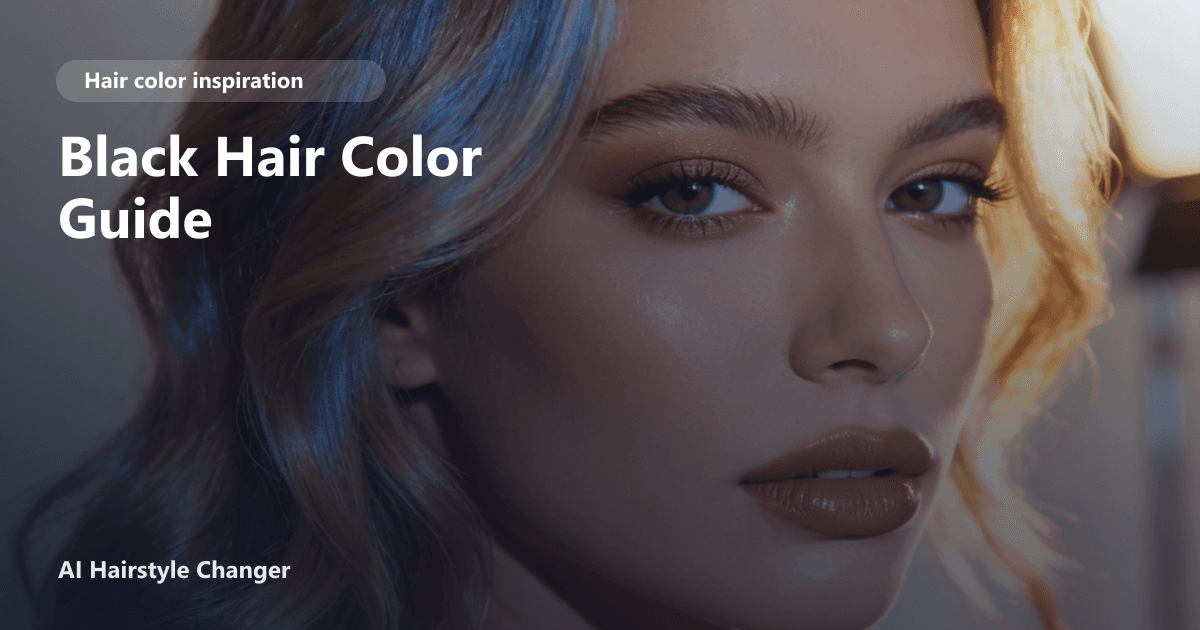
Black Hair Color Guide is strongest when you use it as a shortlist, not as a final answer. A good guide should help you sort undertone, depth, dimension, and grow-out expectations before the salon conversation starts.
AI Hairstyle Changer is useful here because color decisions change more than the hair itself. The shade can sharpen your contrast, soften your features, brighten the skin, or make the whole look feel heavier than you intended. Previewing it on a selfie before the appointment keeps the decision grounded.
Which versions are worth previewing first
Start with four distinct directions so you can judge how much warmth, contrast, and brightness you actually like on your own features. Most people choose more accurately after they compare a family side by side instead of reading descriptions in the abstract.
- Soft Black: best for people who want depth without the severity of blue-black; watch out: can still look harsh if the brows and makeup stay much lighter.
- Blue-black: best for cool contrast and glossy editorial results; watch out: shows regrowth and fade faster than many people expect.
- Black With Red Undertones: best for dark bases that want movement in sunlight; watch out: needs enough light to show the tone.
- Dimensional Dark Brunette-black: best for people who want black-adjacent depth without a flat wall of color; watch out: too little contrast can disappear in photos.
Who it usually suits best
The strongest match usually comes from aligning undertone, depth, and maintenance tolerance instead of copying the exact same shade name from someone with a different natural base.
For black hair color, a balanced read is often the difference between a shade that looks intentional and one that feels slightly off. It is worth checking the result in daylight, indoor light, and without heavy makeup before you decide.
What to ask for in the salon
Ask whether you want neutral black, inkier blue-black, or a softer dark result with hidden warmth that still reads expensive in daylight. Bring two or three realistic references and decide whether you want the finish to read bright, soft, rich, or low-commitment after the first wash cycle.
- Bring a selfie or preview that shows the exact depth you want.
- Decide whether you want face-framing brightness, all-over color, or hidden dimension.
- Ask how visible the regrowth line will be after four to eight weeks.
- Ask what product keeps the tone polished between salon visits.
Maintenance and grow-out tradeoffs
Dark shades look easiest on paper, but shine, undertone control, and photo behavior matter if you do not want the result to look flat. Root planning, gloss maintenance, and enough dimension to keep the grow-out believable matters because the same color can look expensive for weeks or flat after a few washes depending on how you maintain tone and shine.
Turn the winning preview into a salon brief
The preview becomes useful when you can explain why it works. Write down the depth, undertone, placement, and maintenance cadence that made one version stronger than the others so the salon conversation starts with specifics instead of adjectives.
- Save one daylight screenshot and one indoor-light screenshot of the winning shade.
- Note whether the root should stay deeper or match the mid-lengths.
- Decide whether the brightness belongs around the face, through the ends, or across the full head.
- Bring the version that still looks believable when your makeup and lighting are less ideal.
Check the shade in daylight and indoor light
Hair color decisions fall apart when the preview only looks good under one lighting condition. The most wearable option should still hold up in daylight, indoor light, and the lower-contrast situations where tone problems usually become obvious.
This matters even more if your natural brows, root depth, or eye color create contrast that can either support the shade or make it feel too flat. Use those anchors when you compare the options.
- Keep one comparison with your face fully visible, not cropped tightly around the hair.
- Look for the version that keeps the skin lively without making the hair read brassy, muddy, or too heavy.
- If two shades feel close, keep the one that still looks believable in weaker light.
How to preview the shade before you dye
A virtual preview is useful because hair color is not only about the formula. It is about how the shade changes your contrast level, whether it brightens the eye area, and whether the result still feels believable on your own hair and skin. Use Virtual Hair Color Try On: See New Hair Colors Instantly to compare a few realistic directions before you spend money at the salon.
- Compare two or three nearby shades on the same source photo.
- Check the result with your brows, natural root depth, and eye color in view.
- Save the version that still looks believable when the lighting is less flattering.
What to avoid before you commit
Avoid choosing only from salon swatches or social posts. Black Hair Color usually disappoints when the undertone fights your complexion, the lift is more aggressive than your starting base can support, or the grow-out plan is more demanding than your real routine.
FAQ
Who usually suits black hair color?
Black Hair Color usually works best when the undertone matches your skin and the depth fits your natural contrast level.
What should I ask my colorist before booking?
Ask about target depth, undertone, whether you need a root shadow or gloss, how visible the grow-out will be, and what maintenance products keep the result believable.
Why preview the color on a selfie first?
A selfie preview helps you compare warmth, contrast, and brightness on your real features instead of guessing from a model with different skin tone, lighting, and starting hair color.
How do I keep the color from looking flat?
Plan for shine, tonal maintenance, and enough dimension around the face. Even deeper shades usually look stronger when there is some light and movement built into the result.
The safest color move is the one you can explain clearly before the appointment. Use Virtual Hair Color Try On: See New Hair Colors Instantly to compare realistic options, then bring the strongest preview into the salon so the color plan starts from something concrete.