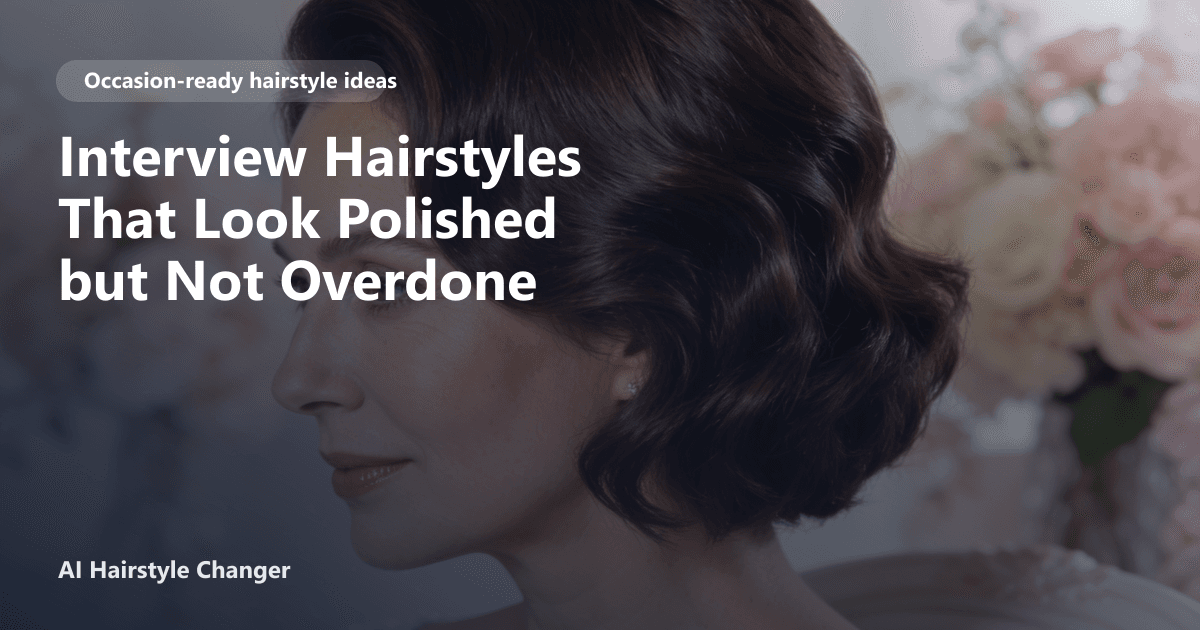
Facing a big interview brings enough nerves - worrying about your hair shouldn't be one of them. For older women with black hair, finding an interview hairstyle that feels polished but not overdone can be a balancing act. The right cut should frame your features, look intentional, and hold up through a long day, all while reflecting your personality and experience. If you've ever left a salon with a style that looked nothing like your vision, you know why trying on options in advance matters.
Why Interview Hairstyles Matter for Older Women with Black Hair
First impressions count, especially in professional settings. Hair communicates confidence, attention to detail, and even approachability. For many older women, especially those with black hair, the challenge is finding a style that feels current but not trendy, sophisticated but not severe. Texture, length, and maintenance all play a role in what works for you. With the AI Hairstyle Changer, you can preview styles on your own face, helping you shortlist salon references and avoid haircut regret.
The Classic Layered Bob: Soft Structure with Movement
A softly layered bob is a go-to for interviews because it's versatile and universally flattering. For black hair, subtle layering adds movement without sacrificing fullness. Here's what to consider:
- Length: Aim for chin to shoulder-length to keep it modern yet manageable.
- Layers: Ask for soft, face-framing layers to lighten the shape and avoid a boxy silhouette.
- Fringe: Side-swept bangs can soften lines and draw attention to your eyes.
- Styling: A round brush blowout brings out shine and volume, but this cut also air-dries well for a more relaxed look.
- Upkeep: Plan for trims every 6-8 weeks to keep the shape fresh.
This style works well for women with relaxed, natural, or straightened black hair. It's ideal if you want polish without fuss. However, if your hair is very tightly coiled and you prefer to wear it natural, the layers may require more styling time.
The Sleek Low Bun: Effortless Poise for Any Interview
A low bun is timeless, professional, and works for nearly all hair textures. For older women with black hair, it's a way to showcase healthy hair and a poised demeanor without looking severe.
- Preparation: Start with stretched or blown-out hair for a smoother finish, or embrace your natural texture for a softer look.
- Parting: A deep side part adds sophistication, while a center part keeps it classic.
- Securing: Use a satin scrunchie or hairpins to avoid breakage and maintain comfort.
- Finishing Touch: Tame flyaways with a light edge control or serum, but skip heavy gels that can make the style look stiff.
This option is perfect for humid days or when you want your hair off your face. If you have very short hair, consider a faux bun or add volume with a hairpiece. Try this style virtually with the AI Hairstyle Changer before your appointment to see if you prefer a sleek or textured finish.
Soft Curls with Side Part: Natural Volume and Warmth
Embracing your natural curls or waves can project confidence and warmth in an interview. For older women with black hair, soft curls with a side part strike the right balance between professional and approachable.
- Length: Shoulder-length or slightly longer keeps curls manageable and prevents shrinkage from making the style too short.
- Layers: Ask for long layers to enhance shape and prevent bulk at the ends.
- Parting: A side part opens up the face and adds a modern touch.
- Product: Use a lightweight curl cream to define without crunchiness.
This look is ideal if you want to highlight your natural texture and avoid heat styling. It's low-maintenance but can require regular hydration. If you're unsure how much volume is right for you, preview different curl shapes and partings with the AI Hairstyle Changer.
The Tapered Cut: Modern Edge for Short Hair Lovers
For those ready to go short, a tapered cut offers structure and style with minimal effort. This cut is especially flattering for black hair, as it highlights natural texture and bone structure.
- Shape: Ask for a close crop at the nape and sides, with slightly more length on top.
- Styling: Define curls or coils on top with a twist cream or light gel.
- Maintenance: Requires regular trims every 4-6 weeks to keep the shape sharp.
- Versatility: Can be styled with a side part, finger coils, or even a subtle design at the nape for added flair.
This look suits women who want a bold, low-maintenance style that's interview-ready with minimal styling. If you're considering a big chop, use the AI Hairstyle Changer to test how different taper lengths and shapes frame your face.
Polished Pixie: Confidence in Every Angle
A pixie cut exudes confidence and is surprisingly versatile for older women with black hair. The key is customizing the cut to your features and lifestyle.
- Length: Keep the sides and back close, with soft layers on top for movement.
- Fringe: A side-swept or micro fringe adds softness and can highlight cheekbones.
- Texture: Pixies work beautifully with both straightened and naturally curly hair.
- Styling: Use a light pomade or mousse to define texture without stiffness.
Pixies are low-maintenance day-to-day but require more frequent salon visits to maintain the shape. If you're unsure about going this short, preview several pixie variations with the AI Hairstyle Changer before making the leap. For more inspiration, see Short Haircuts for Women Over 60.
When to Avoid Certain Styles for Interviews
Not every style is interview-friendly. Here are a few things to avoid:
- Overly Trendy Cuts: Extreme undercuts or vivid colors can distract from your experience and professionalism.
- Heavy Bangs: Thick, blunt bangs can overwhelm the face and require constant maintenance.
- Excessive Volume: While volume is beautiful, too much can look unkempt or dated in a formal setting.
- Complicated Updos: Intricate styles might look great at a wedding but can feel out of place in an interview. For those occasions, see Wedding Hairstyles for Short Hair.
If you're unsure, bring photos of what you like and dislike to your stylist. Trying on styles first with the AI Hairstyle Changer helps you avoid last-minute surprises.
How to Communicate Your Vision at the Salon
Going into your appointment prepared makes all the difference. Here's how to make sure your stylist understands your goals:
- Bring Clear Photos: Use screenshots from the AI Hairstyle Changer to show your top choices.
- Discuss Maintenance: Be honest about how much time you want to spend styling each day.
- Talk Texture: Explain if you plan to wear your hair natural, relaxed, or heat-styled most days.
- Ask for Adjustments: If you like a style but want less volume or a longer fringe, say so.
For big events or interviews, previewing your look in advance is invaluable. If you're preparing for a special occasion, see How to Use a Hairstyle Try-On App Before a Wedding or Big Event.
FAQ
What is the best interview hairstyle for older women with black hair?
There's no single best style, but layered bobs, soft curls, and sleek buns are all polished choices. The best option depends on your hair texture, face shape, and how much daily styling you prefer.
How can I see if a new haircut will suit me before my appointment?
Use the AI Hairstyle Changer to upload your selfie and try on different cuts and styles. This lets you see real options on your own face, so you can walk into your appointment with confidence.
Are short hairstyles professional enough for interviews?
Absolutely. Short cuts like tapered crops and pixies can look very professional when tailored to your features and styled neatly. For more ideas, visit Short Haircuts for Women Over 60.
What should I avoid in an interview hairstyle?
Avoid styles that are too trendy, require constant touch-ups, or distract from your face. Keep it polished, comfortable, and true to your personality.
Takeaway: Try Before You Commit
Choosing an interview hairstyle is about more than just looking good - it's about feeling confident and authentic. Whether you're considering a classic bob, a bold pixie, or a sleek bun, previewing your options with the AI Hairstyle Changer helps you avoid regret and make the most of your next salon visit. Ready to see your next look? Start with Hairstyle Try-On Online: Free Test Cuts Before Booking.