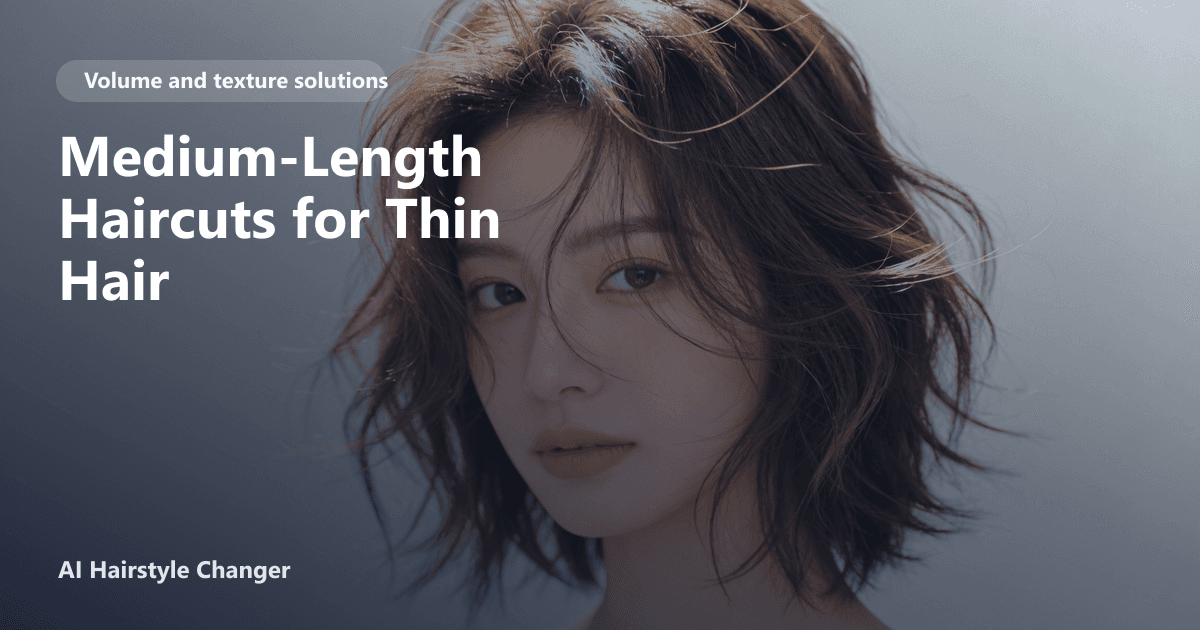
If you have thin or fine hair, choosing a medium-length haircut can feel like a high-stakes decision. The wrong cut can leave your hair looking limp or stringy, while the right one creates the illusion of fullness and movement. You want a style that flatters your face, works with your hair's natural texture, and gives you the confidence to walk out of the salon loving your new look. But how do you know which medium-length styles will actually work for thin hair - and how can you avoid the disappointment of a cut that falls flat?
Why Medium-Length Is a Sweet Spot for Thin Hair
Medium-length hair - think anywhere from just below the chin to hovering above the shoulders - offers the perfect balance for thin or fine hair. It's long enough for styling versatility but short enough to prevent strands from looking weighed down. This length makes it easier to add layers, movement, and strategic volume, all of which help thin hair appear fuller.
If you're worried about losing too much length or ending up with a style that's hard to maintain, medium-length cuts are a practical middle ground. They're also easier to grow out or adjust if you want to tweak your look later. And with the AI Hairstyle Changer, you can virtually try on dozens of variations before you commit - so you'll know exactly what suits your face shape and hair type.
The Classic Lob: Timeless and Versatile
The lob (long bob) is a perennial favorite for thin hair because it's universally flattering and easy to personalize. A lob that grazes the collarbone gives the illusion of thickness without overwhelming fine strands. Ask your stylist for a blunt or subtly textured edge, depending on whether you want a sharper or softer finish.
- Who it suits: Most face shapes, especially round or oval.
- What to ask for: Collarbone-length cut, minimal layering for bluntness, or light texturizing for movement.
- Volume placement: Request a slight inward bend at the ends for fullness.
- Maintenance: Easy to style, requires trims every 6-8 weeks to keep the shape crisp.
- When it fails: Avoid heavy layering or over-texturizing, which can make thin hair look stringy.
If you want more inspiration, check out Best Haircuts for Thin Hair for more lob variations and styling ideas.
Face-Framing Layers: Subtle Movement Without Sacrificing Fullness
Layers can be tricky for thin hair, but when done right, they add dimension and bounce. The key is to keep layers long and face-framing, rather than short and choppy. This technique draws attention to your features and keeps the bulk of your hair looking full.
- Who it suits: Heart, oval, and square faces benefit from soft, face-framing layers.
- What to ask for: Medium-length cut with gentle layers starting below the chin, blended into the rest of the hair.
- Fringe direction: Pair with curtain bangs or a side-swept fringe for extra softness.
- Upkeep: Layers need regular trims to avoid looking uneven, but overall maintenance is low.
- What to avoid: Over-layering, which can thin out the ends and make your hair appear sparse.
Use AI Hairstyle Changer to preview different layering options and fringe placements before you head to the salon. You'll see instantly which shapes add the most movement and volume to your hair.
Wispy Bangs and Curtain Fringe: Instant Volume at the Crown
Adding bangs is one of the quickest ways to create the illusion of thicker hair. Wispy bangs or a curtain fringe work especially well with medium-length cuts, drawing the eye upward and making the hair at your crown appear fuller.
- Who it suits: Oval and long faces, or anyone looking to soften a high forehead.
- What to ask for: Light, feathery bangs that blend into the sides, or a curtain fringe parted in the middle.
- Volume placement: Bangs add body at the front, making hair look denser from all angles.
- Maintenance: Bangs require frequent trims and styling, but are worth it for the volume boost.
- When it fails: Avoid thick, blunt bangs, which can overwhelm fine hair and look heavy.
For more ideas on how to add volume and movement, visit Volumizing Haircuts for Thin Hair.
Blunt Ends: The Illusion of Density
A blunt cut at medium length is a classic choice for thin hair. By keeping the ends even and solid, you create the appearance of thicker, healthier hair. This style works well straight or with a slight wave, and it's easy to style with minimal effort.
- Who it suits: Almost everyone, but especially those with very fine, straight hair.
- What to ask for: One-length cut at or just above the shoulders, with no or minimal layering.
- Volume placement: The fullness is concentrated at the base, making the hair look denser.
- Upkeep: Simple to maintain; just keep the ends trimmed for a sharp finish.
- What to avoid: Avoid razoring or thinning shears, which can make the ends look wispy.
If you're seeking a style that's easy to manage, see Low-Maintenance Haircuts for Fine Hair for more effortless options.
Soft Shag: Texture Without Sacrificing Body
The modern shag isn't just for thick hair. A soft, medium-length shag with gentle, blended layers can add texture and movement to thin hair without making it look sparse. The key is to keep the layers long and avoid heavy thinning.
- Who it suits: Those with a bit of natural wave or curl, or anyone who wants a more relaxed, tousled look.
- What to ask for: Shoulder-length cut with soft, blended layers throughout, and optional curtain or wispy bangs.
- Volume placement: Texture is spread throughout the mid-lengths, giving the appearance of fullness.
- Upkeep: Shags can grow out gracefully, but need shaping every few months.
- When it fails: Avoid overly choppy or short layers, which can make thin hair look uneven.
Trying on a shag cut virtually with AI Hairstyle Changer is a smart move - see how the texture frames your face and where the volume lands before you commit.
Color and Styling Tricks to Boost Fullness
Medium-length haircuts for thin hair benefit from more than just the right cut. Strategic color and styling choices can also make a big difference in how full your hair appears.
- Subtle highlights or balayage: Lighter pieces around the face and crown add dimension and depth, making hair look thicker.
- Root lift products: Use volumizing sprays or mousses at the roots before blow-drying for extra body.
- Loose waves: Styling with a curling iron or flat iron creates movement and bounce, especially with layered cuts.
- Avoid heavy oils and serums: These can weigh down fine hair and reduce volume.
When you use AI Hairstyle Changer, you can test how different colors and textures look on your own hair, making it easier to choose a style that flatters and adds fullness.
Salon Talk: How to Communicate Your Needs
Walking into the salon with a clear vision is crucial - especially when you want to maximize the look of thin hair. Here's how to make the most of your appointment:
- Bring visual references: Save screenshots from your AI Hairstyle Changer try-ons and show them to your stylist.
- Be specific about length: Specify where you want your hair to fall - collarbone, shoulders, or just below the chin.
- Discuss layering: Ask for long, blended layers or minimal texturizing, depending on your chosen style.
- Talk about maintenance: Let your stylist know how much time you want to spend styling each day.
- Mention your hair goals: Whether it's volume, movement, or easy upkeep, be upfront about your priorities.
A good stylist will tailor their approach to your hair's texture and your lifestyle. Using virtual try-on tools ensures you're both on the same page before the scissors come out.
FAQ
What is the best medium-length haircut for thin hair?
A blunt lob or a medium-length cut with soft, face-framing layers are both excellent choices. These styles create the illusion of thickness while offering movement and versatility.
How can I add volume to my medium-length thin hair?
Choose cuts with blunt ends or subtle layers, use volumizing products at the roots, and style with loose waves. Bangs or a curtain fringe can also help boost fullness at the crown.
Are layers bad for thin or fine hair?
Not necessarily. Long, blended layers add movement without sacrificing fullness. Avoid short, choppy layers, which can make thin hair look even thinner.
Can I try on medium-length haircuts before my appointment?
Yes! AI Hairstyle Changer lets you upload a photo and preview dozens of medium-length styles for thin hair. You can shortlist your favorites and bring clear references to your stylist.
Takeaway: Try Before You Cut
Medium-length haircuts for thin hair offer endless ways to create fullness, movement, and style - if you choose wisely. With the right cut and a clear vision, you can walk out of your next appointment loving your look. Don't leave it to chance: use AI Hairstyle Changer to preview, personalize, and perfect your next style before you book.