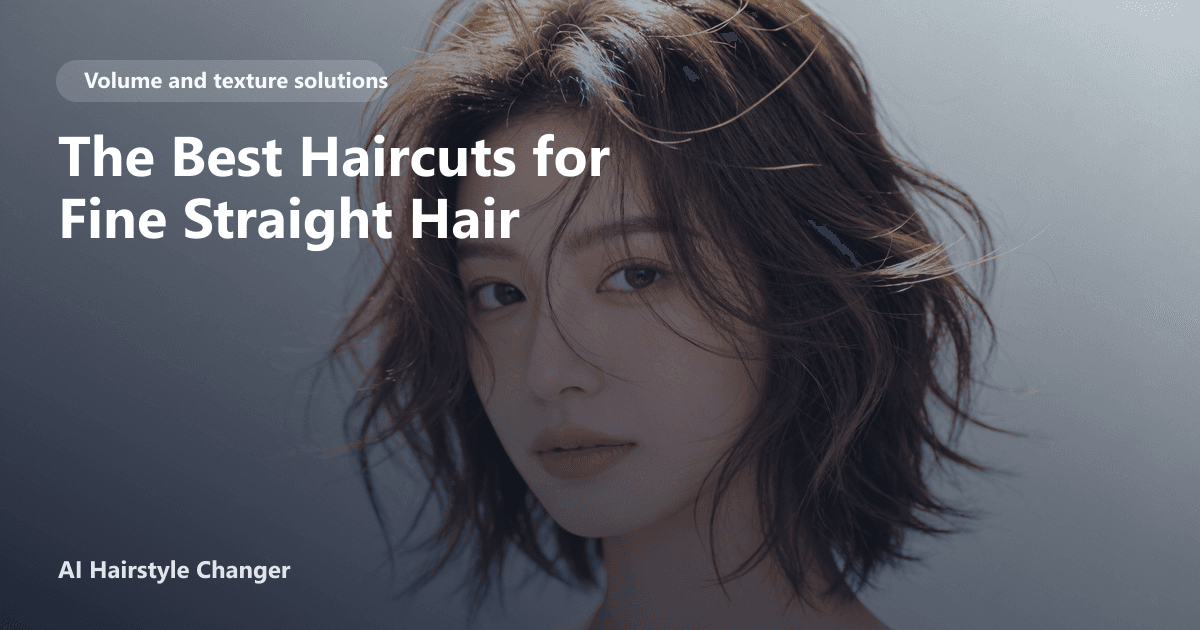
If you have fine straight hair, you know the struggle: limp locks that fall flat, styles that lose shape by midday, and the constant hunt for a cut that actually adds body. You want a haircut that makes your hair look thicker, feels easy to style, and doesn't leave you regretting your choice as soon as you leave the salon. The good news? With the right approach, fine straight hair can look full, modern, and effortless.
Let's break down the best haircut directions for fine straight hair, what to ask for in the salon, and how to preview your look before you commit.
Why Fine Straight Hair Needs a Strategic Cut
Fine hair isn't just about strand thickness - it's about volume, movement, and how your style holds up. Straight hair, in particular, can highlight thinness or flatness if the cut isn't tailored to your needs. The wrong layers or length can make hair look stringy or sparse, while the right techniques can create the illusion of fullness and bounce.
This is where tools like AI Hairstyle Changer come in handy. Instead of guessing how a new cut will look, you can upload a selfie, try on a variety of styles, and see which ones actually suit your face and hair type. It's a smart way to build confidence before your next salon appointment and avoid the disappointment of a style that just doesn't work for fine straight hair.
The Textured Bob: Volume Without Weight
The textured bob is a classic choice for fine straight hair. Its blunt perimeter creates the illusion of density, while subtle internal layers add movement and prevent the style from looking boxy. This cut usually sits anywhere from chin to collarbone length - short enough to keep hair from falling flat, but long enough for styling flexibility.
What to ask for:
- A blunt or slightly undercut baseline for fullness
- Soft, invisible layers inside the cut for movement
- Optional side-swept fringe for added shape
Who it suits:
- Anyone with fine straight hair wanting volume without heavy layering
- Oval, heart, and square face shapes
Maintenance:
- Trim every 6-8 weeks to maintain shape
- Lightweight volumizing products and a round brush for styling
When it fails:
- If layers are too heavy, the cut can look thin at the ends
- Avoid razor cutting, which can make fine hair appear wispy
Want more bob inspiration? Check out Best Haircuts for Thin Hair for additional ideas.
Long Layers for Fine Hair: Subtlety Is Key
You don't have to go short to make fine straight hair work. Long hair can look stunning if you focus on subtle, well-placed layers. The goal is to create movement without sacrificing the illusion of thickness.
What to ask for:
- Long, face-framing layers that start below the chin
- Minimal texturizing at the ends
- A length that doesn't drag hair down (usually no longer than mid-back)
Who it suits:
- Those who prefer longer styles but want to avoid flatness
- Round and oval face shapes
Maintenance:
- Regular trims to avoid split ends
- Use a lightweight mousse or root-lifting spray
When it fails:
- Too many layers can make ends look thin
- Avoid heavy thinning or slide cutting
For more on volumizing strategies, see Volumizing Haircuts for Thin Hair.
Curtain Bangs and Face-Framing Layers
Curtain bangs are a trending option that works surprisingly well for fine straight hair. They add instant shape around the face, draw attention to your features, and can be styled to blend seamlessly with the rest of your hair. When paired with gentle face-framing layers, they create a soft, airy effect that makes hair appear fuller.
What to ask for:
- Curtain bangs that start at the cheekbone or jawline
- Blended, subtle layers around the face
- Avoid heavy, blunt bangs that can look sparse on fine hair
Who it suits:
- Anyone looking to soften their look or highlight cheekbones
- Works on both short and longer cuts
Maintenance:
- Bang trims every 4-6 weeks
- Blow-drying with a round brush for lift
When it fails:
- If cut too thin, bangs may separate and look stringy
- Avoid too much weight removal at the front
The Blunt Lob: Sleek and Structured
A blunt lob (long bob) is a favorite for fine straight hair because it maximizes the appearance of thickness. By keeping the ends sharp and even, you create a solid line that tricks the eye into seeing more volume. This style is especially effective if your hair is naturally straight and doesn't need much heat styling.
What to ask for:
- A one-length cut at collarbone or just above the shoulders
- Minimal or no layering
- Optional center or deep side part for versatility
Who it suits:
- Anyone who wants a modern, easy-to-maintain look
- Square, oval, and heart face shapes
Maintenance:
- Trim every 6-8 weeks to keep the line sharp
- Use a smoothing serum for shine
When it fails:
- If hair is too long, weight can drag it down
- Avoid layering, which can thin out the shape
For more easy-care options, see Low-Maintenance Haircuts for Fine Hair.
Pixie Cuts: Short, Chic, and Full of Life
Short haircuts like the pixie can be transformative for fine straight hair. By removing length, you instantly add lift at the roots and make hair look denser. A well-cut pixie uses layering and graduation to build volume where you need it most, and styling is typically quick and low-fuss.
What to ask for:
- Short, graduated layers at the back
- Longer pieces at the crown for volume
- Optional side-swept fringe for softness
Who it suits:
- Those ready for a bold, easy-to-style look
- Petite faces, strong cheekbones, or anyone wanting to highlight facial features
Maintenance:
- Frequent trims (every 4-6 weeks)
- Texturizing paste or light wax for definition
When it fails:
- If cut too close to the scalp, hair can lie flat
- Avoid over-thinning, which reduces fullness
How to Try On Haircuts Before You Book
It's one thing to see a style on someone else - it's another to know how it will look on you. That's where AI Hairstyle Changer becomes invaluable. With just a selfie, you can preview dozens of haircut options tailored to fine straight hair, experiment with lengths and fringe, and even compare side-by-side looks. This makes it easier to communicate with your stylist, show clear references, and avoid the disappointment of a cut that doesn't flatter your hair type.
The virtual try-on experience is especially useful for fine straight hair, where small changes in layering or length can make a big difference. Upload your photo, test out textured bobs, blunt lobs, curtain bangs, or pixies, and build a shortlist of favorites. When you're ready, bring your top picks to your appointment so your stylist knows exactly what you want.
Salon Conversation Tips for Fine Straight Hair
Walking into the salon with fine straight hair means being clear about your goals and constraints. Here's how to make the most of your appointment:
- Bring visual references from your AI Hairstyle Changer try-on session
- Be specific about the length you want to maintain
- Ask for fullness at the ends and avoid excessive thinning
- Discuss fringe options and how they'll work with your face shape
- Talk about daily styling time and product preferences
A good stylist will tailor the cut to your hair's natural texture and density, but your input and visuals help ensure you're on the same page.
Table: Quick Guide to Fine Straight Haircuts
| Haircut | Volume Placement | Fringe Options | Upkeep Level | Best For |
|---|---|---|---|---|
| Textured Bob | Ends, mid-lengths | Side-swept, none | Moderate | Most face shapes |
| Long Layers | Crown, front | Curtain, wispy | Low-Moderate | Long hair lovers |
| Blunt Lob | Ends | Center, side | Low | Sleek, modern looks |
| Pixie | Crown, back | Side, textured | High | Bold, low-volume hair |
FAQ
What is the best haircut length for fine straight hair?
Most people with fine straight hair find that shorter to medium lengths (bob to lob) deliver the most volume and body. Longer hair can work if layers are subtle and the ends are kept healthy, but too much length often leads to flatness.
Should I get layers if my hair is fine and straight?
Yes, but with caution. Subtle, well-placed layers add movement and prevent hair from looking limp. Avoid heavy or choppy layers, which can make ends look thin and stringy. Discuss layering options with your stylist and use a virtual try-on to preview the effect.
Can bangs work for fine straight hair?
Absolutely. Curtain bangs and soft, blended fringes can add shape and fullness around the face. Avoid thick, blunt bangs unless your hair is dense enough to support them. Try on different bang styles virtually to see what complements your features.
How can I make my fine straight hair look thicker?
Choose cuts that maximize fullness at the ends (like blunt bobs and lobs), use lightweight volumizing products, and avoid over-thinning or razor cutting. Previewing styles with AI Hairstyle Changer helps you see which looks create the most volume for your unique hair.
Takeaway: Preview Your Next Cut with Confidence
Finding the best haircut for fine straight hair is all about balancing volume, shape, and easy upkeep. Don't leave your next style to chance - use AI Hairstyle Changer to try on cuts virtually, shortlist your favorites, and walk into your salon appointment with confidence. Ready to see your new look? Head to Hairstyle Try-On Online: Free Test Cuts Before Booking and start experimenting today.