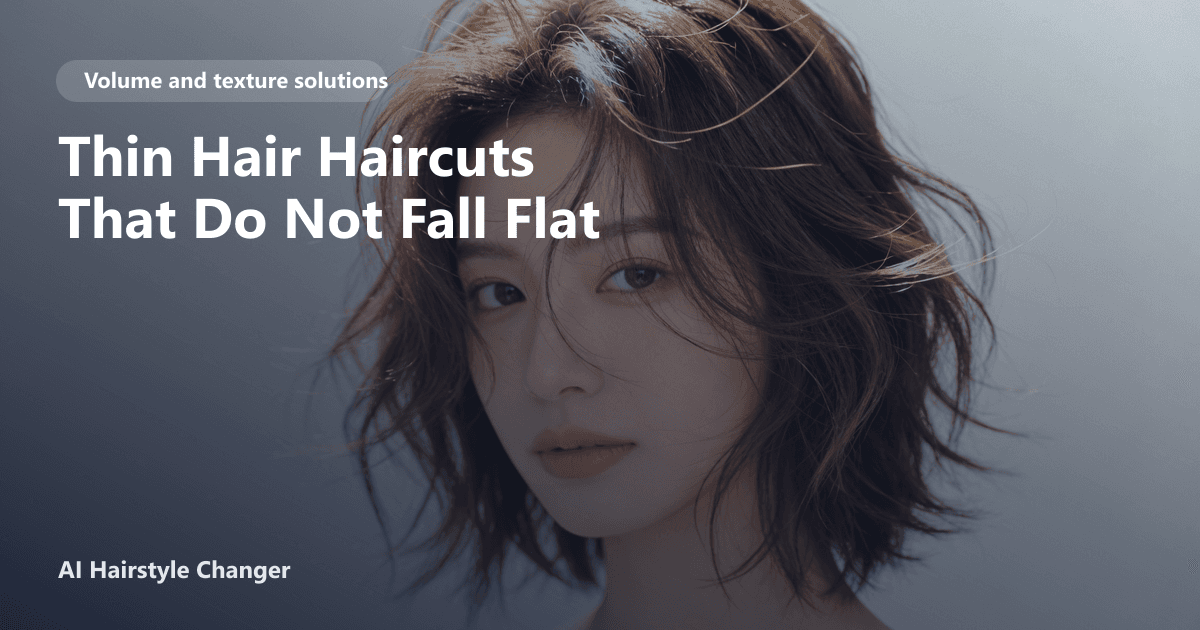
If you've ever left the salon with a fresh cut, only to watch your hair fall limp by day two, you know the frustration of styling thin hair. Choosing a haircut that doesn't flatten out or emphasize sparse areas is a real challenge - especially when you want your style to look fuller, not finer. The good news? The right cut can transform thin or fine hair, adding movement, shape, and the illusion of volume. The trick is knowing exactly what to ask for, what to avoid, and how to preview your options before you commit.
Why Thin Hair Falls Flat - And How the Right Cut Helps
Thin or fine hair often lacks the density to support heavy styles or blunt shapes. Without strategic layering or volume placement, hair can look stringy or lifeless, especially as it grows out. Many classic cuts, like one-length lobs or long layers, can actually make thin hair look thinner if not carefully tailored. The secret is to choose styles that build structure and movement without sacrificing what little bulk you have.
With tools like AI Hairstyle Changer, you can preview how different cuts and layering techniques will look on your own head - before you ever pick up the scissors. This is especially useful for thin hair, where even small changes in length or fringe can make a dramatic difference.
1. The Volumizing Bob: Short, Structured, and Full
A chin-length or slightly longer bob is a classic for thin hair because it removes weight, encourages natural lift at the roots, and frames the face. The key is to avoid a blunt, heavy line at the ends, which can look sparse. Instead, ask for soft, undercut layers or a subtle A-line shape that's slightly shorter in the back and longer in front. This creates movement and keeps the perimeter looking thick.
Who it suits: Most face shapes, especially oval, round, or heart. Works best for straight to lightly wavy hair.
What to ask for:
- Length at the chin or just below
- Graduated or stacked layers at the back
- Texturizing at the ends for softness
- Light, wispy fringe or curtain bangs for added fullness around the face
Maintenance: Bobs need trims every 6 - 8 weeks to keep their shape. Styling with a round brush or volumizing mousse helps maintain lift.
When it fails: Avoid if you want to keep your hair long or if your hair is prone to frizz - shorter bobs can make frizz more noticeable.
For even more volumizing ideas, check out Volumizing Haircuts for Thin Hair.
2. Layered Lobs: Movement Without Losing Length
If you prefer to keep your hair shoulder-length or longer, opt for a lob (long bob) with invisible or blended layers. The danger with thin hair is over-layering, which can make the ends look see-through. Instead, ask for long, face-framing layers that start at the cheekbone or chin, with subtle interior layering to add movement without sacrificing density.
Who it suits: Those who want to keep some length but need more body. Flattering for square, oval, and heart-shaped faces.
What to ask for:
- Shoulder-length cut or slightly longer
- Long, blended layers - not choppy or overly textured
- Subtle face-framing pieces
- Optional side-swept or curtain bangs for extra volume at the crown
Maintenance: Lobs are relatively low-maintenance and can be air-dried or styled with a large-barrel curling iron for added wave.
When it fails: Avoid razor-cut layers or aggressive thinning shears, which can make thin hair look stringy. For more inspiration, see Best Haircuts for Thin Hair.
3. Wispy Bangs and Curtain Fringe: Framing Without Heaviness
Bangs can be a game-changer for thin hair, but the wrong fringe can go limp or separate awkwardly. Wispy bangs or curtain fringe add softness and volume around the face without overwhelming fine strands. They work especially well with bobs, lobs, or even longer layered cuts.
Who it suits: Anyone wanting to disguise a sparse hairline or add interest to a simple cut. Great for round and oval faces.
What to ask for:
- Wispy, feathered bangs that blend into the sides
- Curtain bangs parted in the middle and swept to each side
- Avoid heavy, blunt bangs that require a lot of styling
Maintenance: Bangs need regular trims (every 3 - 4 weeks) and a quick blow-dry to keep them from separating.
When it fails: Very oily hair or humidity can make wispy bangs clump or stick to the forehead.
4. Textured Shags: Modern Layers for Maximum Volume
The modern shag is a thin hair hero. With choppy, uneven layers focused at the crown and around the face, a shag creates instant lift and a tousled, lived-in vibe. The key is to keep the layers soft and avoid over-thinning the ends.
Who it suits: Best for those comfortable with a bit of edge - works for straight, wavy, or slightly curly hair.
What to ask for:
- Shorter layers at the crown for volume
- Face-framing pieces and soft, textured ends
- Optional curtain or bottleneck bangs
- Avoid razor cuts if your hair is very fine or fragile
Maintenance: Shags require some styling (texturizing spray or light mousse) to bring out the layers. Trim every 8 - 10 weeks to prevent the shape from collapsing.
When it fails: If you prefer a sleek, polished look, the shag's messy texture may not be for you.
5. Blunt Cuts with Subtle Interior Layers: Illusion of Density
While heavy blunt cuts can look sparse on thin hair, a blunt perimeter with soft, hidden interior layers can give the illusion of thicker ends. This approach works well for those who want a clean, modern look without sacrificing movement.
Who it suits: Straight or slightly wavy hair, especially if you want a sharp, defined outline.
What to ask for:
- Blunt cut at the ends for fullness
- Subtle, invisible layers cut inside the shape
- Avoid visible choppy layers or thinning shears
Maintenance: This cut is easy to style but needs regular trims to keep the blunt edge crisp.
When it fails: If your hair is extremely thin, even a blunt cut may not provide enough bulk at the ends. Consider pairing with a volumizing product routine.
6. Low-Maintenance Options: Effortless Volume for Fine Hair
Not everyone wants to spend time blow-drying or styling every morning. Some cuts are designed to look good with minimal effort, making them perfect for busy routines or those who prefer a wash-and-go approach.
Low-maintenance haircuts for thin hair include:
- Collarbone-length blunt lobs with light face-framing
- Soft pixie cuts with textured layers
- Grown-out shags with curtain bangs
For more ideas, see Low-Maintenance Haircuts for Fine Hair.
Styling tips:
- Use lightweight volumizing mousse or root spray
- Air-dry with a little texture spray for natural movement
- Avoid heavy oils or creams that can weigh hair down
How to Use AI Hairstyle Changer for Thin Hair Decisions
Choosing a new haircut for thin hair is nerve-wracking - what looks great on someone else may not suit your hair's texture or density. That's where the AI Hairstyle Changer comes in. Upload a selfie, and you can instantly try on dozens of volume-boosting styles, from layered bobs to modern shags. See how different fringe shapes frame your face, test out lengths, and shortlist your favorites to show your stylist. It's the easiest way to avoid haircut regret and make a confident choice for your next appointment.
FAQ
What haircuts make thin hair look thicker?
Cuts that add movement and structure - like layered bobs, lobs with face-framing layers, and modern shags - help thin hair appear fuller. Avoid heavy blunt lines or overly long styles that can drag hair down.
Should I get bangs if I have thin hair?
Yes, but choose wispy or curtain bangs over heavy, blunt fringe. Wispy bangs add softness and volume around the face without overwhelming fine hair.
How can I show my stylist the haircut I want?
Bring clear reference photos and describe the length, layering, and fringe you're after. The AI Hairstyle Changer lets you create a shortlist of styles on your own face, making it easy to communicate your vision.
Are there haircuts for thin hair that are easy to maintain?
Absolutely. Collarbone-length lobs, soft pixie cuts, and grown-out shags are all low-maintenance options that boost volume without much styling effort.
Takeaway: Preview Your Next Cut Before You Commit
Finding a haircut that makes thin hair look fuller is all about the right shape, length, and layering. Don't leave your next style to chance - use the AI Hairstyle Changer to preview cuts, experiment with volume, and save your favorites. When you're ready, bring your shortlist to the salon and get a cut that never falls flat. Ready to see your options? Head to Hairstyle Try-On Online: Free Test Cuts Before Booking and start your transformation.