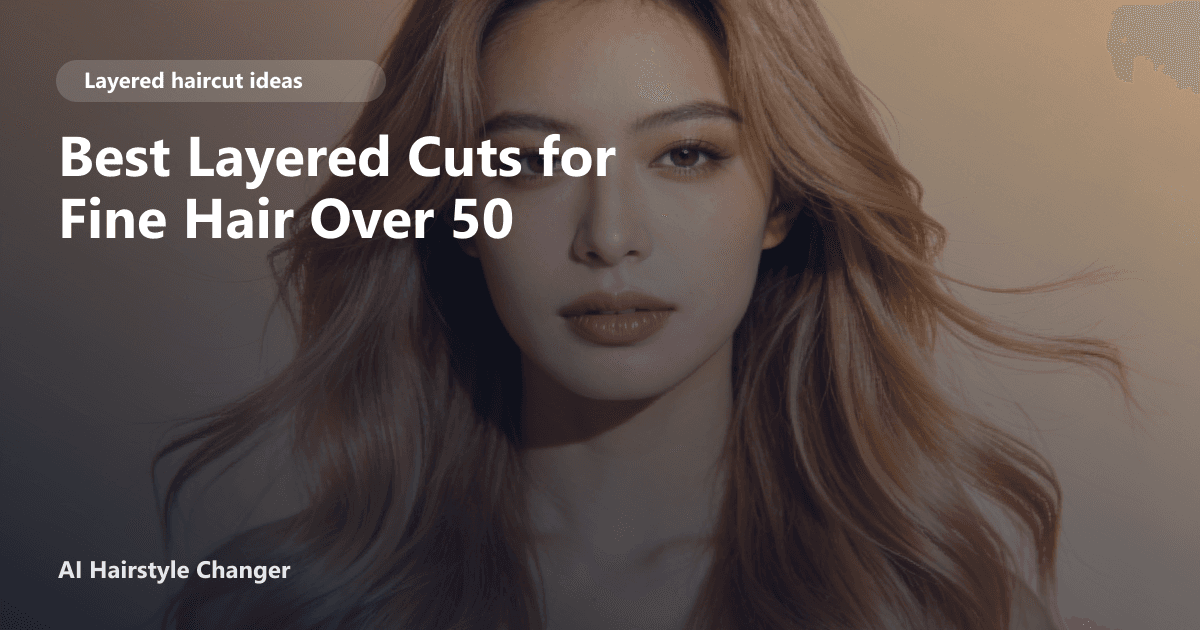
Making a major hair change after 50 can feel risky, especially if your hair is fine or thinning. You want a cut that adds movement and volume, not one that falls flat or highlights sparse spots. Layered haircuts are a trusted solution, but not all layers are created equal for fine hair. The right cut can transform your look, making hair appear fuller and more youthful - while the wrong one can leave you frustrated until it grows out. Here's how to choose the best layered cuts for fine hair over 50, with real salon details and a modern way to preview styles before you commit.
Why Layers Work for Fine Hair Over 50
Fine hair often loses density with age, but strategic layers can revive it. Layers remove weight, create lift at the roots, and add dimension without sacrificing length. For women over 50, the right layered cut can:
- Add volume and bounce to limp strands
- Frame the face for a softer, more flattering look
- Minimize the appearance of thinning at the crown or part
- Make styling easier with less product and heat
But not every layer suits every face or hair type. The key is customizing the cut to your features, hair texture, and maintenance preferences. Before you book your appointment, it helps to see how different layered styles will look on you. That's where tools like AI Hairstyle Changer come in, letting you preview and compare options side by side.
Classic Shoulder-Length Layers: The Versatile Volume Boost
Shoulder-length layered hair is a go-to for fine hair over 50 because it strikes the perfect balance between fullness and manageability. The layers start at the cheekbones or jawline and blend softly down, creating movement without looking choppy. This style works especially well if you want to keep some length but need body around the face.
What to ask for:
- Soft, graduated layers starting around the cheekbones
- Blunt or slightly textured ends for density
- Optional side-swept bangs for extra lift at the front
Who it suits:
- Oval, heart, and round faces
- Fine, straight, or slightly wavy hair
Maintenance:
- Trim every 6-8 weeks to keep the shape
- Use a volumizing spray at the roots
If you want to see how this cut frames your face, try it virtually using AI Hairstyle Changer before heading to the salon. For more inspiration, visit Layered Shoulder-Length Hair: Best Cuts That Keep Movement.
Long Layers for Subtle Fullness
If you prefer to keep your hair past your shoulders, long layers are ideal for fine hair that risks looking stringy when left blunt. The trick is to ask for layers that start below the chin and are blended seamlessly. This creates the illusion of thicker hair and prevents the ends from appearing sparse.
What to ask for:
- Long, blended layers starting at the collarbone or lower
- Minimal thinning at the ends
- Subtle face-framing pieces
Who it suits:
- Square, oval, and long face shapes
- Fine hair with some natural wave or movement
Maintenance:
- Trim every 8-10 weeks
- Use lightweight conditioners to avoid weighing hair down
Long layers are forgiving and easy to style, but if the layers are too short or choppy, hair can look wispy. Previewing this look with AI Hairstyle Changer helps you visualize the right layer placement for your hair type.
Short Layered Bobs: Chic and Low-Fuss
A layered bob is a timeless option for fine hair over 50, especially if you want a style that's easy to maintain and instantly volumizing. The classic bob can be tailored with stacked layers at the back, subtle graduation, or soft layering around the face. The goal is to create lift and shape without sacrificing the fullness at the ends.
What to ask for:
- Chin-length or just-below-the-chin bob
- Stacked or graduated layers at the back for volume
- Soft, face-framing layers at the front
- Avoid excessive thinning or razor-cutting
Who it suits:
- Round and oval faces
- Fine, straight, or slightly wavy hair
Maintenance:
- Trim every 6 weeks to keep the shape sharp
- Blow-dry with a round brush for maximum lift
A bob can be a big change if you're used to longer hair. Use AI Hairstyle Changer to see how a bob suits your face shape and hair texture before you commit. For more bob and medium-length ideas, see Best Layered Haircuts for Medium Hair.
Face-Framing Layers with Bangs: Softening and Youthful
Adding bangs to a layered cut can dramatically change your look, especially if you want to soften forehead lines or draw attention to your eyes. Face-framing layers paired with curtain bangs or wispy fringe work well for fine hair, as they add fullness at the front without overwhelming delicate strands.
What to ask for:
- Soft, face-framing layers starting at the cheekbones
- Curtain bangs or wispy fringe, not blunt
- Layers that blend into the rest of the cut
Who it suits:
- Most face shapes, especially heart and oval
- Fine hair that needs lift at the front
Maintenance:
- Bang trims every 4-6 weeks
- Light styling cream to keep bangs smooth
This style is perfect for those who want a change but aren't ready for a major chop. Try different bang and layer combinations with AI Hairstyle Changer to find your best match.
Layer Placement: Where Volume Matters Most
The secret to a flattering layered cut for fine hair is strategic layer placement. Too many short layers can make hair look thin, while layers that are too long can drag the face down. Here's how to guide your stylist:
- Crown layers: Add subtle, short layers at the crown for lift without sacrificing length.
- Face-framing layers: Start layers at the cheekbones or jawline to draw attention upward.
- Avoid over-thinning: Ask your stylist to avoid razors or thinning shears, which can make fine hair look sparse.
Bring photos or virtual try-on results to your appointment so you can point to exactly where you want the layers to start and stop. The Layered Haircuts Guide: Best Layered Styles by Length, Hair Type, and Face Shape can help you narrow down options.
What to Avoid with Fine, Aging Hair
Even the best layered cut can be sabotaged by the wrong technique or styling approach. Here are common pitfalls to avoid:
- Too many layers: Over-layering removes bulk and can make hair look thinner.
- Heavy, blunt bangs: These can overwhelm fine features and require more styling.
- Razor cuts: Razors can fray fine ends and reduce fullness.
- Excessive length: Very long hair can look stringy and lifeless on fine hair over 50.
Instead, opt for blended, soft layers and keep length at or above the shoulders for the fullest look. If you're unsure, preview several options with AI Hairstyle Changer to see which styles flatter your hair and face shape.
FAQ
What is the best length for fine hair over 50?
Shoulder-length or slightly shorter is often most flattering, as it keeps hair looking full and manageable. Longer styles can work with the right long layers, but avoid excessive length that weighs hair down.
How often should I trim layered fine hair?
Regular trims every 6-8 weeks help maintain the shape and prevent ends from splitting or looking thin. Shorter styles like bobs may need more frequent touch-ups.
Can I add volume to fine hair without a lot of styling?
Yes, the right layered cut can create natural lift and movement. Using a lightweight volumizing spray at the roots and blow-drying with a round brush can enhance the effect without heavy styling.
How can I be sure a layered cut will suit me?
Try virtual hairstyle tools like AI Hairstyle Changer to upload your photo and see how different layered cuts look on you. This takes the guesswork out of your salon visit and helps you communicate clearly with your stylist.
Takeaway: Try Before You Cut
Choosing the right layered cut for fine hair over 50 can make a dramatic difference in how you look and feel. With so many options, it's smart to preview styles virtually before making a commitment. AI Hairstyle Changer lets you experiment with lengths, layers, and bangs - so you can walk into your next appointment with confidence. Ready to see your best look? Head to hairstyle try-on online free test cuts before booking and try your favorite layered styles today.