Why Shoulder-Length Layers Create the Perfect Balance
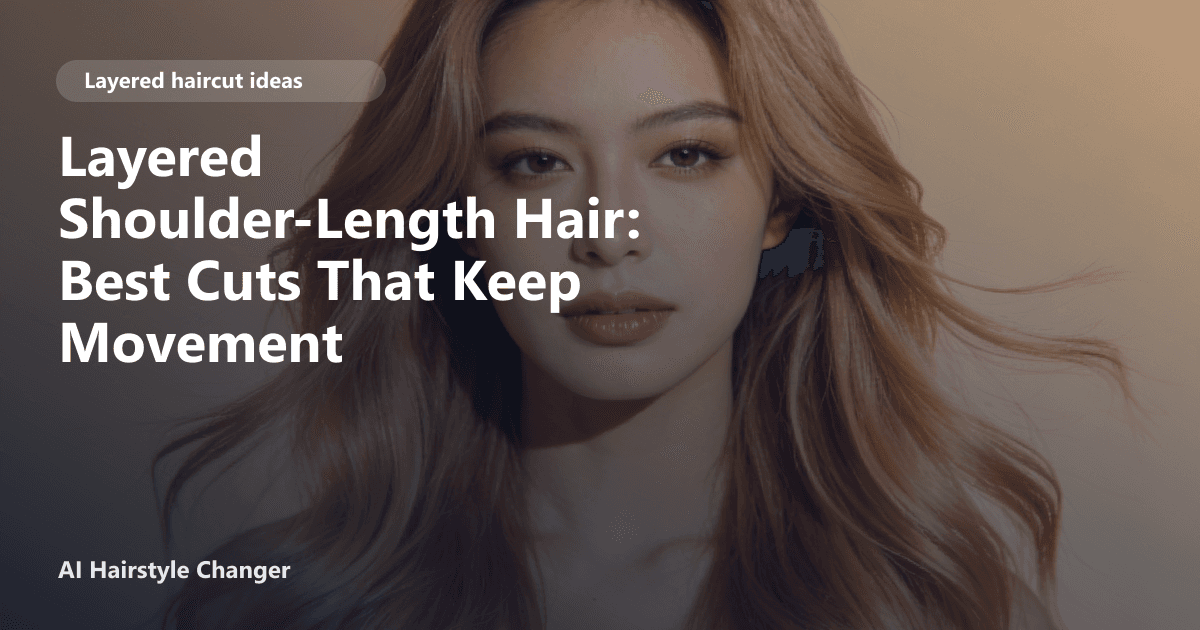
Shoulder-length hair hits the sweet spot between short and long, and adding layers transforms it from a simple cut into a style with dynamic movement. Layered shoulder length hair works because it frames the face while keeping enough weight at the ends to avoid a stringy appearance. The layers create interior texture that makes hair lighter, bouncier, and easier to style daily.
This length suits nearly every lifestyle. It's long enough to pull back for workouts or professional settings but short enough to cut drying time significantly. Layers add the crucial element of versatility-wear it sleek and polished for work, or add texture for weekend volume.
If you're debating whether to commit, an AI hairstyle changer lets you upload your selfie and visualize exactly how different layering patterns will look with your specific face shape and features. This eliminates the guesswork before you even book your consultation.
Best Layered Shoulder-Length Cuts for Maximum Movement
Long Layers with Face-Framing
Long layers starting at the chin and cascading to the shoulders create the most natural movement. This cut keeps density through the bottom while removing bulk from the sides. The face-framing pieces start shorter near the cheekbones and blend seamlessly into longer layers.
This style particularly benefits round and square faces because the vertical lines create a lengthening effect. For oval faces, it accentuates natural symmetry. The key is asking your stylist for "long, blended layers" rather than "short choppy layers" to maintain that fluid motion.
Choppy Layers for Texture
Choppy layers use point-cutting techniques to create piece-y separation. This works brilliantly for fine to medium hair that needs a volume boost. The uneven lengths catch light differently, making hair appear thicker and more dynamic.
Style with a texturizing spray on damp hair, then rough-dry with your fingers. The result is effortless, modern movement that doesn't look over-styled. This cut shines on straight and wavy textures but requires careful execution on very curly hair to avoid a triangular shape.
Feathered Layers for Softness
Feathered layers use a razor or sliding cutting technique to create wispy, soft ends that move like feathers. This approach works wonders for thick hair that tends to feel heavy or helmet-like. The feathering removes weight while maintaining length and creates incredible swing.
The style peaked in the 90s but has evolved with modern precision. Today's feathered layers are more subtle and blended, avoiding the overly thinned appearance of decades past. It's ideal for heart-shaped faces and those with strong jawlines who want softness around the face.
Layered Bob Variations
The layered bob sits at shoulder length with stacked layers in the back that gradually lengthen toward the front. This creates a subtle A-line shape that adds volume at the crown and movement through the ends. It's a structured look that still moves freely.
This cut works exceptionally well for fine hair because the stacking creates built-in body. For thick hair, keep the layers longer and more subtle to prevent excessive bulk. The angled silhouette makes it one of the most flattering layered haircuts for medium hair across different face shapes.
Shaggy Layers for Effortless Cool
The modern shag at shoulder length combines short, medium, and long layers throughout the crown and ends. This creates a deliberately messy, rock-and-roll vibe with serious movement. Curtain bangs often accompany this cut, blending into the shortest face-framing layers.
This style suits wavy and curly textures beautifully - the layers enhance natural pattern rather than fighting it. On straight hair, it creates a cool, bedhead look with minimal effort. It's perfect for those who want a wash-and-go style that looks intentionally undone.
Choosing Layers Based on Your Hair Type
Fine Hair
Fine hair needs layers to create volume, but too many can make it look sparse. The solution: long layers with minimal layering at the bottom. Keep the perimeter solid and add internal layers starting at the cheekbones. This creates lift without sacrificing density.
Avoid razor cuts, which can make fine hair look wispy. Instead, opt for shear-cut layers that maintain clean edges. A root-lifting spray and light mousse will enhance the movement your layers create.
Thick Hair
Thick hair benefits from significant weight removal through layering. Feathered or sliced layers work best, removing bulk while keeping the visual length. Layers should start higher-around the eye or cheekbone level-to prevent the dreaded pyramid shape.
Consider a layered cut with texturizing on the interior sections only, leaving the outer layer slightly longer for a smooth finish. This gives you movement and manageability while maintaining a polished look.
Wavy Hair
Wavy hair and layers are a match made in heaven. Layers enhance natural wave patterns and prevent the heaviness that pulls waves straight. For shoulder length, opt for long layers that follow your wave pattern-shorter layers where your waves are tighter, longer where they're looser.
The key is cutting hair dry or using a technique that accounts for your natural shrinkage. This ensures your layers fall correctly when styled. A diffuser and salt spray will maximize the movement your layers create.
Curly Hair
Curly hair requires specialized layering to maintain shape and avoid the triangle effect. Layers should be cut into the interior, with the canopy left longer to protect the shape. The DevaCut or similar curl-by-curl techniques work best.
At shoulder length, layers help distribute volume evenly rather than concentrating it at the bottom. This creates a balanced, moving shape that bounces rather than drags. Always seek a stylist experienced with curly hair for this cut.
How to Style Layered Shoulder-Length Hair for Maximum Movement
Product Selection
Lightweight products preserve layer separation. Heavy creams and oils can glue layers together, defeating the purpose. Choose:
- Volumizing mousse for fine hair applied at roots
- Texturizing spray for all hair types on mid-lengths to ends
- Light-hold hairspray to maintain movement while controlling frizz
- Root lift spray for extra bounce at the crown
Drying Techniques
The way you dry determines how much your layers move. For volume and separation:
- Flip your head upside down while blow-drying to create root lift
- Use a round brush only on the top sections, finger-dry the layers underneath
- Diffuse curly and wavy hair by cupping sections to enhance natural pattern
- Finish with a cool shot to set the style and add shine
Quick Daily Refresh
Layered shoulder-length hair revives beautifully with minimal effort. Spritz with water or a leave-in conditioner, scrunch the layers, and let air dry for 5 minutes. The layers will naturally fall into place with renewed bounce.
For second-day hair, a dry shampoo at the roots and texturizing spray through the lengths brings layers back to life. The multiple lengths prevent the flat, greasy look that can plague one-length cuts.
What to Tell Your Stylist for Perfect Layers
Bring reference photos, but also use specific terminology. Instead of "I want layers," say:
- "I want long, blended layers that start at my chin and create movement"
- "Please use point-cutting to create piece-y texture without losing length"
- "I need weight removal but want to keep a solid perimeter"
- "Can you show me how to style the layers to maximize movement?"
Show them where you part your hair and how you typically style it. This affects where layers should be placed. If you wear it curly sometimes and straight others, mention this - your stylist may cut it dry or use a hybrid technique.
Before your appointment, use an AI hairstyle changer to generate multiple layered shoulder-length options on your actual face. This gives you concrete visuals to discuss and helps your stylist understand your exact preferences.
FAQ
How often should I trim layered shoulder-length hair?
Every 8-10 weeks maintains the shape and prevents layers from looking ragged. The multiple lengths mean split ends can travel up the hair shaft faster than one-length cuts. Regular trims keep the movement crisp and prevent the style from growing out awkwardly.
Will layers make my shoulder-length hair look thinner?
Only if cut incorrectly. Properly executed layers create movement and can actually make hair appear thicker by adding dimension. The key is avoiding over-layering or razor cuts on fine hair. Long, blended layers maintain density while creating swing.
Can I pull off layers if I have a round face?
Absolutely. Long layers that start below the chin create vertical lines that elongate a round face. Avoid layers that hit at cheekbone level, as these can emphasize width. Face-framing pieces that taper from chin to shoulder create the most flattering silhouette.
How do I know which layering style suits me best?
Consider your hair texture, face shape, and maintenance preferences. Fine hair needs fewer layers, thick hair needs more weight removal. Your lifestyle matters too-choppy layers require minimal styling, while feathered layers look best with blow-drying. Testing styles visually before cutting is the smartest approach.
Make Your Decision With Confidence
Layered shoulder length hair offers the perfect combination of versatility, movement, and manageability. The right layering technique transforms a basic medium cut into a style that works with your natural texture and face shape, not against it.
Before you book that salon appointment, take the guesswork out of the equation. Upload your selfie to see exactly how different layered shoulder-length cuts will look on you. Test face-framing lengths, layer densities, and styling options from your phone. When you arrive at the salon with clear visuals of what works for your features, you and your stylist can collaborate on a cut you'll love-no regret, no surprises, just perfect layers that move exactly how you envisioned.