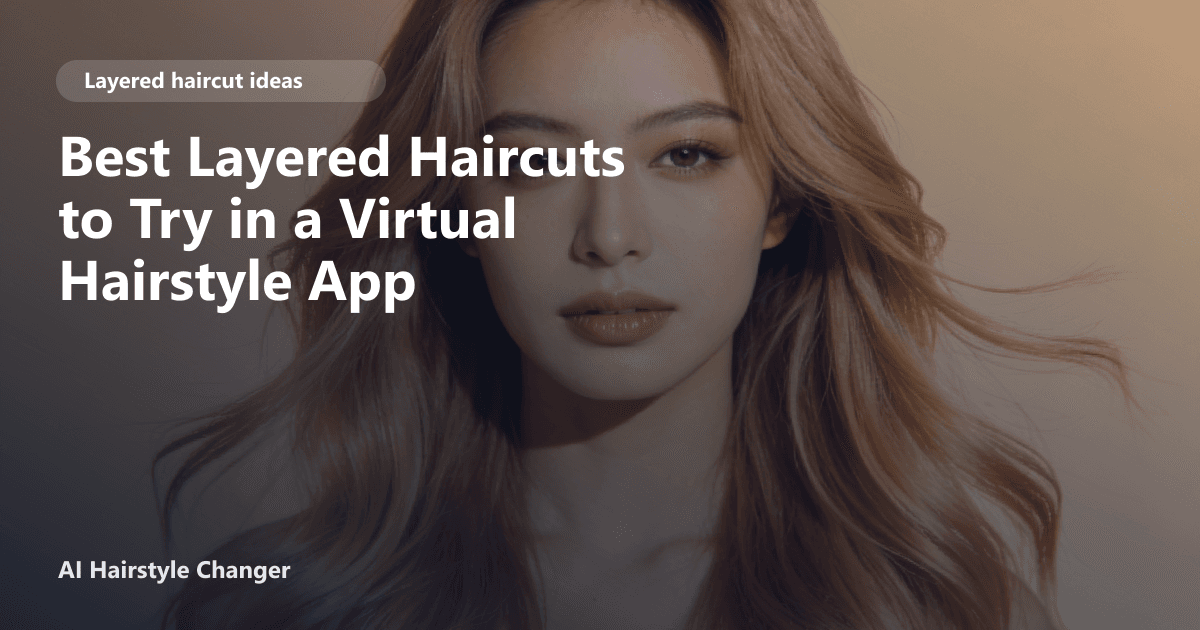
Choosing a new layered haircut can feel risky - especially if you've had a style go wrong in the past or aren't sure how layers will work with your hair type. Maybe you're torn between a dramatic shag, soft face-framing layers, or a classic long cut with blended ends. Before you commit to the scissors, it's smart to see how these styles actually look on you. That's where virtual try-on tools like AI Hairstyle Changer come in: they let you preview layered haircuts on your own selfie, compare options, and head to your appointment with confidence.
Why Layers? The Real Impact of Layered Haircuts
Layered hair isn't just a trend - it's a way to add movement, volume, and shape to almost any length or texture. The right layers can make fine hair look fuller, help thick hair feel lighter, and create flattering frames for your face. But not every layered style works for every person. The placement, length, and blending of layers all change the final effect. That's why previewing options in a virtual hairstyle app is so valuable.
The Classic Long Layers: Timeless and Versatile
Long layers are a go-to for anyone who wants to keep their length but add subtle shape. This cut works well for straight, wavy, or lightly curled hair. The layers usually start below the chin, with longer pieces throughout the bottom half to prevent a heavy, one-length look. Ask your stylist for soft, blended layers that avoid harsh steps - especially if you want to keep styling low-maintenance.
Best for: Medium to thick hair, oval or heart-shaped faces, anyone looking to add movement without losing length.
What to ask for: "Long, blended layers that start at the collarbone or below. Keep the ends soft and avoid choppy, short pieces."
Upkeep: Minimal - just regular trims every 8 - 12 weeks.
When it fails: Very fine or thin hair can sometimes look stringy with too many long layers. In this case, try fewer layers or add face-framing pieces instead.
Curious how long layers would look on your hair? AI Hairstyle Changer lets you upload a selfie and preview this classic cut from every angle.
Face-Framing Layers: Subtle Contour and Softness
Face-framing layers are shorter pieces cut around the front to highlight your cheekbones and jawline. They can be added to almost any length - short, medium, or long - and are especially popular for softening strong features or adding shape to straight hair.
Best for: Straight or wavy hair, round or square faces, anyone wanting to update their look without a drastic change.
What to ask for: "Soft, face-framing layers starting at the chin or lips. Blend into the rest of my hair so there's no harsh line."
Upkeep: Low - these layers grow out gracefully, but you'll want to refresh them every couple of months for the best effect.
When it fails: If your hair is very curly or prone to frizz, face-framing layers can sometimes stick out awkwardly. Ask your stylist to point-cut or use a razor for a softer finish.
For more inspiration, check out the Layered Haircuts Guide: Best Layered Styles by Length, Hair Type, and Face Shape to see how face-framing layers can be tailored to your features.
The Modern Shag: Texture and Edge
The shag is back, and today's versions are softer and more wearable than ever. This cut features lots of choppy layers throughout, often paired with curtain bangs or a wispy fringe. The result is a lived-in, effortless look with tons of texture and movement.
Best for: Medium to thick hair, natural waves or curls, anyone who likes a bit of rock 'n' roll edge.
What to ask for: "A modern shag with layers throughout, starting at the cheekbones or eyes. Add curtain bangs for a retro touch."
Upkeep: Medium - shags look best with regular trims and a bit of styling product to define the layers.
When it fails: Very fine or straight hair may struggle to hold the shape. If your hair is super thick, ask for thinning or texturizing to avoid bulkiness.
Trying on a shag virtually can help you see if the bold texture works with your features and hair type before you commit.
Layered Shoulder-Length Hair: Movement Without Sacrifice
Shoulder-length hair is the ultimate in versatility, and adding layers keeps it from feeling heavy or flat. You can opt for subtle layers that barely graze the surface, or go for more dramatic, piecey layers for volume and bounce. This length is ideal for anyone who wants to keep styling options open - ponytails, waves, or straight looks all work well.
Best for: Almost any hair type, especially those wanting a fresh shape without going short.
What to ask for: "Shoulder-length cut with blended layers for movement. Keep the layers soft and avoid a mullet effect."
Upkeep: Low to medium - depends on how fast your hair grows and how much shape you want to maintain.
When it fails: Over-layering can make ends look thin or scraggly. Ask for a balance between volume and fullness at the bottom.
For more details, see Layered Shoulder-Length Hair: Best Cuts That Keep Movement.
Medium Layered Hair: The Sweet Spot
Medium-length layered hair is a favorite for its manageability and style versatility. Layers at this length can be tailored to boost volume, add swing, or create a sleek, polished effect. You can go for soft, blended layers for a classic look or more pronounced, chunky layers for extra drama.
Best for: Straight, wavy, or loosely curled hair; anyone who wants easy styling and movement.
What to ask for: "Medium-length cut with layers starting at the jaw or collarbone. Blend for a soft finish or add choppy pieces for texture."
Upkeep: Medium - trim every 6 - 8 weeks to keep layers fresh.
When it fails: Too many layers can make hair look thin or uneven if not cut carefully. Bring clear reference photos to your stylist, or shortlist favorites from your virtual try-on.
Explore more options in Best Layered Haircuts for Medium Hair.
Short Layered Hair: Volume and Lift
Short hair can benefit from layers just as much as long styles. Adding layers to a bob or pixie cut creates volume, shape, and easy styling. Whether you prefer a soft, stacked bob or a tousled, textured pixie, layering can help you avoid a boxy or flat look.
Best for: Fine or thin hair needing volume, anyone wanting a low-maintenance style with personality.
What to ask for: "Short cut with stacked or graduated layers at the back. Keep the top layers longer for movement."
Upkeep: Short layered cuts require more frequent trims - every 4 - 6 weeks - to keep their shape.
When it fails: Over-layering can create unwanted flips or cowlicks. Be specific about where you want volume and where you want sleekness.
Trying on short layered styles virtually can help you visualize how much volume and shape you'll get before making a big change.
Using AI Hairstyle Changer to Preview Layered Haircuts
AI Hairstyle Changer makes it easy to test-drive layered haircuts before you book your appointment. Upload your selfie, browse dozens of layered styles - long, medium, short, shaggy, or face-framing - and see how each one looks with your face shape and hair texture. You can save your favorites, compare side by side, and even bring your top picks to your stylist as a clear reference.
This virtual try-on approach helps you avoid common haircut regrets, like layers that are too short, unflattering volume placement, or styles that don't work with your hair type. It's also a great way to experiment with bold changes (like a shag or pixie) without any risk.
Tips for Talking to Your Stylist About Layers
- Bring photos of the layered cuts you like - screenshots from your AI Hairstyle Changer try-on session are ideal.
- Be clear about your target length, where you want layers to start, and how much volume you want at the crown or ends.
- Discuss your daily styling routine and maintenance preferences. Some layered styles require more upkeep than others.
- Ask your stylist to explain how the layers will be cut and how they'll grow out. This helps avoid surprises as your hair grows.
- If you're unsure, start with longer, softer layers - you can always go shorter or add more texture later.
FAQ
How do I know which layered haircut suits my face shape?
The best layered haircut depends on your face shape, hair type, and personal style. Use a virtual try-on tool like AI Hairstyle Changer to preview different layered styles on your selfie. For more advice, explore the Layered Haircuts Guide: Best Layered Styles by Length, Hair Type, and Face Shape.
Will layers make my hair look thinner or thicker?
Layers can add volume and movement to thick hair, but too many layers can make fine hair look stringy. The key is customizing the layer placement and thickness. Previewing styles virtually helps you see the difference before committing.
How often should I trim layered hair?
Most layered cuts need a trim every 6 - 10 weeks to keep the shape fresh and avoid split ends. Short layered styles may need more frequent maintenance.
Can I try on layered haircuts for free?
Many virtual hairstyle apps, including AI Hairstyle Changer, offer free try-on options so you can experiment with layered cuts and find your favorite before visiting the salon.
Takeaway: Preview, Decide, and Love Your Next Layered Cut
Layered haircuts are endlessly customizable, but getting the right look means matching the cut to your hair type, face shape, and lifestyle. With AI Hairstyle Changer, you can preview layered styles in seconds, shortlist your favorites, and walk into your next appointment with total confidence. Ready to see your next look? Visit Hairstyle Try-On Online: Free Test Cuts Before Booking and start experimenting today.