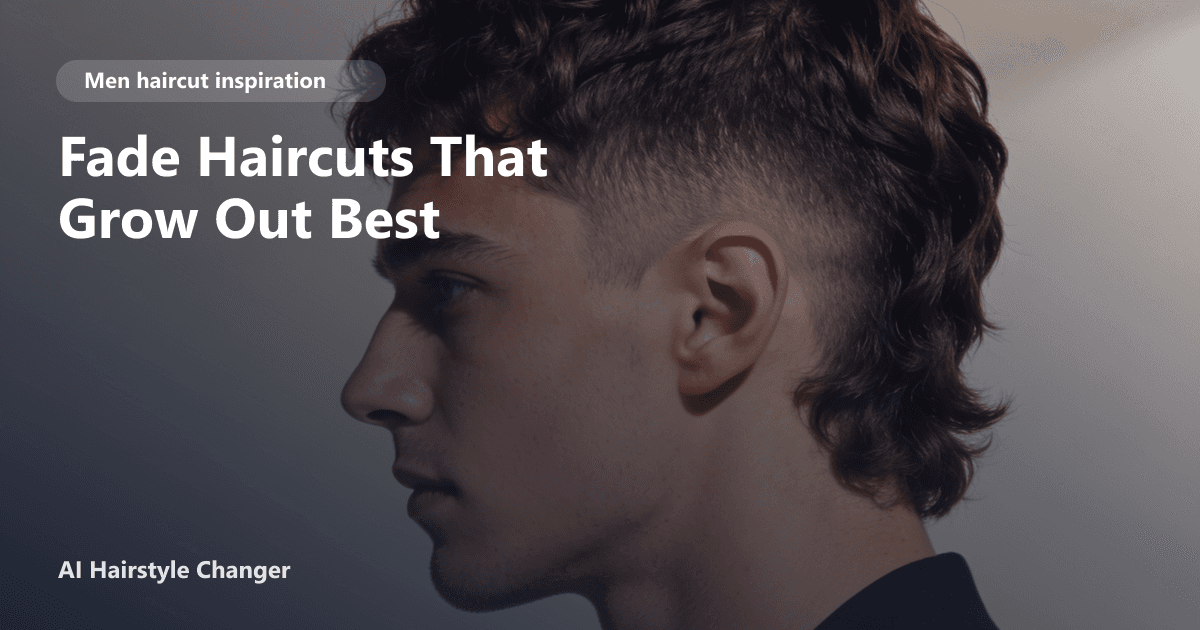
If you've ever left the barbershop with a sharp fade, only to watch it lose its shape a week later, you're not alone. Picking a fade haircut that grows out well isn't just about the first-day look - it's about how you'll feel between appointments. Whether you're deciding between a low taper, a skin fade, or something more daring, the right choice can mean fewer awkward stages and less stress about maintenance.
Why Some Fades Grow Out Better Than Others
Not all fades are created equal when it comes to growing out. The difference often lies in the fade's starting point, the transition between lengths, and how the top is blended. A well-executed fade that grows out gracefully will keep your hair looking intentional, not overgrown, as it gets longer.
Key factors to consider:
- Length of the fade: Shorter fades (like skin or bald fades) look sharp early but can develop harsh lines as they grow out. Longer fades or tapers soften the transition, making regrowth less obvious.
- Blending: A seamless blend between the faded sides and the top means less contrast as your hair grows, reducing the need for frequent touch-ups.
- Top length and texture: Leaving more length on top gives you styling options as the sides fill in. Textured tops hide regrowth better than flat or slicked styles.
Classic Low Taper Fade: Minimal Regret, Maximum Versatility
The low taper fade is a go-to for men who want a clean look that doesn't demand weekly upkeep. The fade starts just above the ear and gradually blends into longer hair on top, creating a subtle transition.
Why it grows out well:
- The gradual blend means no harsh lines appear as the fade grows out.
- The lower starting point keeps the cut looking neat for longer.
- Works with straight, wavy, or curly hair - see Low Taper Fade for Straight Hair: Best Variations and Styling and Low Taper Fade for Curly Hair: What to Ask Your Barber.
Salon tips:
- Ask your barber for a low taper with a soft blend into your natural hairline.
- Specify how much length you want left on top - 2-4 inches gives you room to style as it grows.
- For curly hair, request a scissor-over-comb finish to avoid a sharp disconnect.
Best for:
- Anyone who wants a fade that won't look awkward in three weeks.
- Men with busy schedules who can't visit the barber every two weeks.
Mid Fade: Balanced and Forgiving
The mid fade splits the difference between a low and high fade, starting around the temple. It's a popular choice for men who want a noticeable fade but don't want to commit to the maintenance of a skin fade.
Why it grows out well:
- The fade's midpoint placement means the regrowth blends naturally into the sides.
- Slightly longer sides hide the line of demarcation as hair grows.
Salon tips:
- Ask for a mid fade with a textured top for a modern look that disguises regrowth.
- Specify a clipper guard length (e.g., #2 or #3) for the shortest part of the fade if you want a softer grow-out.
- For thick hair, request thinning or texturizing on top to keep volume manageable.
Best for:
- Men who want a sharp look without the high contrast of a skin fade.
- Those who like to change up their style between appointments.
Buzz Cut Fade: The Low-Maintenance Champion
A buzz cut with a faded edge is one of the easiest styles to maintain - and it grows out surprisingly well if cut correctly. The fade can start low or mid, depending on your preference.
Why it grows out well:
- Uniform length on top means no awkward length differences as it grows.
- The faded sides blend smoothly into new growth, avoiding a bowl effect.
Salon tips:
- Ask for a buzz cut (choose your top length - #2 and #3 are most popular) with a low or mid fade on the sides.
- Request a blended neckline for a softer finish.
- If you're unsure about length, preview options with the Buzz Cut Guide: Lengths, Face Shapes, and Variations and use AI Hairstyle Changer to see how each length will look as it grows.
Best for:
- Men who want a no-fuss style that looks intentional at every stage.
- Anyone considering a dramatic change but worried about awkward regrowth.
Undercut Fade: Controlled Contrast
The undercut fade combines the sharpness of an undercut with the blend of a fade. The sides and back are clipped short, then faded into longer hair on top, which is disconnected from the sides.
Why it grows out well:
- The fade softens the contrast as the undercut grows, making transitions less abrupt.
- Longer top hair can be styled forward, slicked back, or parted to mask regrowth.
Salon tips:
- Ask your barber for an undercut with a low or mid fade and a disconnected top.
- Specify how much length you want to keep on top (3-5 inches works for most hair types).
- For fine hair, request added texture for volume and movement.
Best for:
- Men who want a bold look with manageable grow-out.
- Those who like to experiment with styling as the cut evolves.
Modern Mullet Fade: Edgy and Surprisingly Practical
The modern mullet with a faded side is back - and it's more wearable than ever. The key is a soft fade on the sides, longer hair at the back, and a textured top.
Why it grows out well:
- The fade keeps the sides tidy as the back lengthens.
- The layered top and back let you adapt the style as it grows, from subtle to statement.
Salon tips:
- Ask for a mullet with a low or mid fade on the sides, blended into a longer back (aim for at least 3 inches in the rear).
- Request layers throughout for movement and easier styling.
- For straight hair, add a fringe or curtain bangs to soften the look.
Best for:
- Men who want a distinctive style that shifts as it grows.
- Anyone looking for a cut that stands out but won't look unkempt between appointments.
How to Choose the Right Fade for Your Hair Type
Not every fade works for every hair type or face shape. Consider these factors before you commit:
- Straight hair: Fades and buzz cuts look sharp but can show regrowth quickly. Try a low or mid fade with a textured top for longer-lasting style. See Low Taper Fade for Straight Hair: Best Variations and Styling.
- Curly hair: Blended fades hide regrowth better. A low taper or curly mullet fade can give you shape without constant touch-ups. Check Hairstyles for Curly Hair Men: Best Cuts by Length for more inspiration.
- Thick hair: Ask for thinning or texturizing on top to keep volume manageable as it grows.
- Fine hair: Avoid high fades that expose scalp. Opt for a mid fade or undercut with added texture.
Previewing your options with AI Hairstyle Changer can help you see how different fades will look on your face and hair type - before you commit.
Maintenance: How to Keep Your Fade Looking Good Longer
Even the best fade will eventually lose its shape. Here's how to stretch the time between appointments:
- Use a good styling product: Matte paste or light pomade can help control regrowth and add texture.
- Trim the neckline and around the ears: A quick touch-up with clippers or a trimmer keeps the cut looking sharp.
- Embrace texture: Tousling the top or adding a messy fringe can disguise uneven growth.
- Wash and condition regularly: Healthy hair grows out better and looks more intentional.
If you're unsure how a new fade will look as it grows, use AI Hairstyle Changer to preview different stages - so you know what to expect.
When Fades Fail: What to Avoid
Some fades are less forgiving as they grow out. Watch out for:
- High skin fades: These look dramatic but can leave harsh lines as hair grows, requiring frequent touch-ups.
- Sharp disconnects: A hard line between the top and sides can look messy quickly if not maintained.
- Too much contrast: Extreme differences between the faded area and the top amplify awkward regrowth.
If you're concerned about upkeep, ask your barber for a softer blend and avoid going too short on the sides. Use the Mens Hair Styles Guide: Best Hairstyles by Hair Type and Length for more adaptable options.
FAQ
How often should I get a fade touched up?
Most fades look their best for 2-3 weeks. Low tapers and longer fades can stretch to 4 weeks, while skin fades may need touch-ups every 10-14 days. Using AI Hairstyle Changer helps you visualize how your fade will look at different stages, so you can plan your next appointment.
What's the easiest fade to maintain?
A low taper fade or a buzz cut fade is the easiest to maintain. The blend is subtle, regrowth is less obvious, and you have more flexibility between appointments. For more details, check out the Buzz Cut Guide: Lengths, Face Shapes, and Variations.
Can I grow out a fade into a different style?
Yes, fades transition well into many other styles, especially if the top is left longer. As it grows, you can shift to a textured crop, undercut, or even a modern mullet. Previewing these transitions with AI Hairstyle Changer can help you decide your next move.
Do fades work for curly hair?
Absolutely. Curly hair often grows out more gracefully with a fade, especially when blended well. For the best results, see Low Taper Fade for Curly Hair: What to Ask Your Barber and Hairstyles for Curly Hair Men: Best Cuts by Length.
Takeaway: Try Before You Cut
Choosing a fade that grows out well means fewer regrets and more confidence between appointments. With the AI Hairstyle Changer, you can preview how different fades, buzz cuts, undercuts, or mullets will look as they grow - so you step into your next haircut with certainty. Ready to find your perfect style? Head to Haircut AI and Haircut Finder Find a Style That Fits You and start your try-on journey.