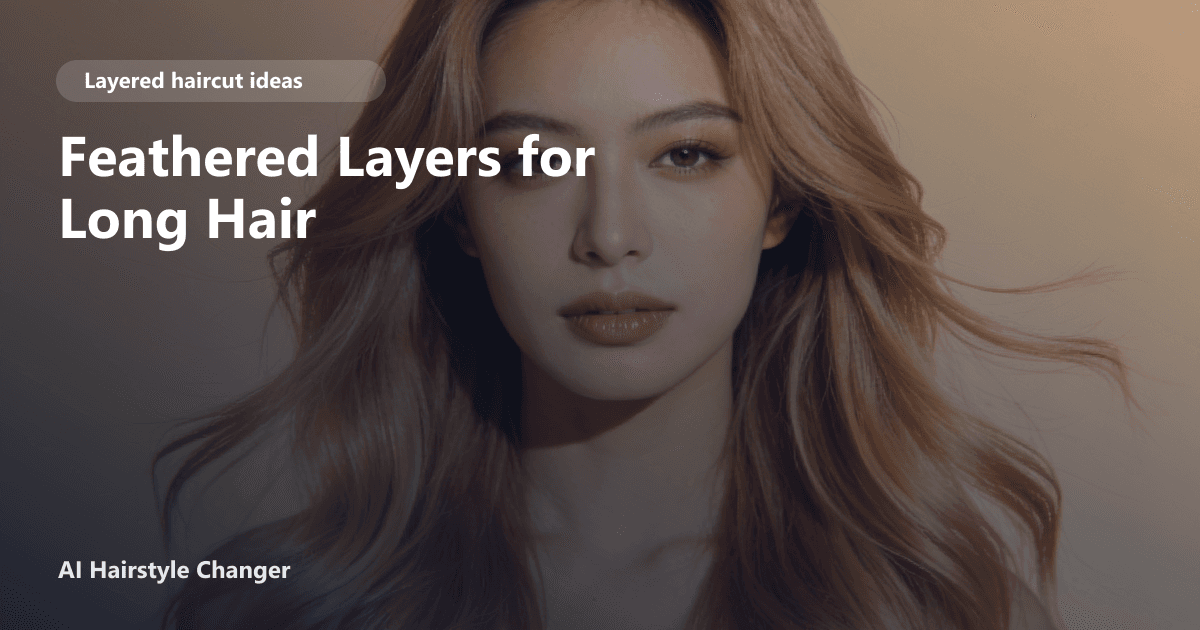
Deciding to add feathered layers to long hair is a big move - one that can transform your look or leave you wishing you'd played it safer. Maybe you're picturing more movement, lighter ends, and a softer silhouette, but you're not sure if this style will suit your hair type or face shape. Or perhaps you've seen feathered layers on friends or celebrities and wonder how to ask for the right version at the salon. The risk of haircut regret is real, especially when you're going from blunt or one-length hair to something more dynamic.
Feathered layers are back in a major way, offering a blend of volume, texture, and effortless style for long hair. But not all feathered layers are created equal. This guide breaks down the most popular feathered layered cuts for long hair, who they work for, what to ask your stylist, and how to preview the look using AI Hairstyle Changer before you commit.
What Makes Feathered Layers Different?
Feathered layers are all about soft, graduated ends that create a light, airy effect - think Farrah Fawcett's iconic '70s blowout, but updated for modern hair textures and styling routines. The technique involves cutting hair at an angle so the ends taper and blend, rather than stacking or creating heavy, blunt steps. The result is movement and dimension, especially through the mid-lengths and ends.
Unlike choppy or heavily razored layers, feathered layers are subtle. They're designed to remove bulk without sacrificing length, making them ideal for long hair that feels weighed down. This approach works on straight, wavy, and even some curly hair types, though the effect will vary depending on natural texture and thickness.
Who Should Try Feathered Layers?
Feathered layers for long hair work best if you want:
- More movement and bounce without losing overall length
- Softer, face-framing pieces
- Easier styling and less heaviness at the ends
They're especially flattering on oval, heart, and round face shapes, as the layers can be tailored to highlight cheekbones or soften jawlines. If your hair is thick and tends to look bulky, feathered layers can help lighten the load. For finer hair, subtle feathering adds shape and prevents a limp, flat look.
However, if your hair is extremely curly or prone to frizz, feathered layers may require more maintenance and styling to keep the ends looking polished. In these cases, consider longer, blended layers or consult with your stylist about how feathering will behave on your unique texture. For a deep dive into matching layers to your hair type and face, check out the Layered Haircuts Guide: Best Layered Styles by Length, Hair Type, and Face Shape.
Four Popular Feathered Layered Cuts for Long Hair
1. Classic Feathered V-Layers
This style features long, V-shaped layers that start below the chin and angle down toward the ends. The feathering creates a soft, swooping effect, especially when styled with a round brush or blowout. It's a go-to for those who want maximum movement and a dramatic, flowing shape.
Who it suits: Thick, straight, or wavy hair; oval and heart-shaped faces.
What to ask for: Long, angled layers with feathered ends; keep the shortest layer at or below the chin for a seamless cascade.
Upkeep: Moderate - regular trims every 8-10 weeks to keep the shape fresh and prevent split ends.
2. Face-Framing Feathered Layers
This cut focuses on soft layers around the face, starting near the cheekbones or jawline and blending into longer lengths. The feathered effect draws attention to your features and adds lift at the front, while the rest of the hair remains mostly long and unlayered.
Who it suits: Almost all face shapes, especially round or square; anyone wanting to highlight cheekbones or soften strong features.
What to ask for: Subtle, feathered layers starting at the cheekbone or jaw; maintain length in the back for a classic long hair look.
Upkeep: Low - trims every 10-12 weeks, minimal styling needed if you like a natural finish.
3. Feathered Curtain Layers
Inspired by curtain bangs, this style blends longer, feathered fringe with layers that start at the collarbone and flow down. The result is a soft, parted effect that frames the face and adds swing to the front sections.
Who it suits: Straight or wavy hair; those who want a nod to retro styles without a full fringe.
What to ask for: Curtain bangs or long, parted fringe with feathered layers through the front; keep the rest of the hair long and lightly layered.
Upkeep: Moderate - fringe may need trims every 6-8 weeks; layers can go longer between cuts.
4. Shag-Inspired Feathered Layers
For those who prefer a little more edge, shag-inspired feathered layers combine short, choppy pieces at the crown with longer, wispy ends. The feathering softens the look, making it wearable even for those with thick or unruly hair.
Who it suits: Medium to thick hair with some natural wave; round or square faces looking for volume at the crown.
What to ask for: Shorter, feathered layers at the crown and sides, blended into longer lengths; avoid heavy razoring for a softer finish.
Upkeep: Higher - requires more frequent trims and styling for definition, but offers lots of texture and movement.
How to Talk to Your Stylist About Feathered Layers
The key to getting feathered layers you love is clear communication. Bring reference photos - whether from Instagram, Pinterest, or your own AI Hairstyle Changer try-ons - to show the length, layering, and feathering you want. Be specific about:
- Where you want the shortest layer to hit (chin, cheekbone, collarbone)
- How much volume or movement you want through the ends
- Whether you want face-framing or all-over layers
- Your daily styling routine and how much upkeep you're willing to do
If you're unsure, ask your stylist to start with longer, softer layers - you can always go shorter or add more feathering later. And if you're considering a bigger change, like adding curtain bangs or a shag shape, previewing the look with AI Hairstyle Changer can help you see the result before any scissors come out.
Maintenance and Styling Tips for Feathered Layers
Feathered layers are relatively low-maintenance compared to blunt or heavily textured cuts, but a few habits will keep them looking their best:
- Regular trims: Prevent split ends and maintain the feathered shape every 8-12 weeks.
- Blow-drying with a round brush: Enhances the feathered effect and adds volume at the roots.
- Lightweight styling products: Use mousse, texturizing spray, or a light serum to keep layers defined without weighing hair down.
- Avoid heavy oils or creams: These can flatten the feathered texture, especially on fine or straight hair.
If you prefer air-drying, scrunch the ends lightly with your fingers to encourage movement. For more inspiration on how to style and maintain layered looks at different lengths, check out Layered Shoulder-Length Hair: Best Cuts That Keep Movement.
When Feathered Layers Might Not Be the Best Choice
While feathered layers are versatile, they aren't perfect for every hair type or routine. Consider these scenarios:
- Very curly or coily hair: Feathered ends can look uneven or frizzy if not cut and styled carefully. Opt for longer, blended layers instead.
- Super fine hair: Too many layers can make hair look sparse; ask for subtle, face-framing feathering only.
- Minimal styling: If you rarely use heat tools, feathered layers may not always fall perfectly into place - choose longer, less pronounced layers for a lower-maintenance option.
If you're on the fence, try uploading a selfie to AI Hairstyle Changer. You'll see how feathered layers look on your own face and hair texture, helping you decide if this style feels right before your appointment.
Comparing Feathered Layers to Other Layered Cuts
Feathered layers aren't the only way to add shape and movement to long hair. Here's how they stack up against other popular layered styles:
| Style | Key Features | Best For | Maintenance |
|---|---|---|---|
| Feathered Layers | Soft, tapered ends; airy movement | Straight/wavy, thick hair | Moderate |
| Choppy Layers | Defined, visible steps; edgy look | Thick, straight hair | Higher |
| Blended Long Layers | Subtle graduation; minimal texture | Fine/straight hair | Low |
| Shag Layers | Short, choppy crown; tousled finish | Wavy/curly, thick hair | Higher |
For more on how to match layered cuts to your hair's length and type, visit the Layered Haircuts Guide: Best Layered Styles by Length, Hair Type, and Face Shape or explore Best Layered Haircuts for Medium Hair if you're considering a shorter look.
Previewing Feathered Layers with AI Hairstyle Changer
One of the biggest challenges with layered haircuts is visualizing the final result on your own hair. AI Hairstyle Changer solves this by letting you upload a selfie and try on feathered layers in seconds. You can experiment with different layer placements, fringe options, and lengths to see what flatters your face and works with your hair texture.
Use the tool to shortlist your favorite looks and save them as references for your stylist. This takes the guesswork out of your salon visit and helps you avoid common pitfalls like layers that start too high, ends that look too wispy, or a shape that doesn't suit your lifestyle. With AI Hairstyle Changer, you can confidently choose the feathered layered cut that feels right for you - no regrets, just great hair.
FAQ
How do I know if feathered layers will suit my face shape?
Feathered layers are adaptable and can be tailored to flatter most face shapes. For round faces, layers that start below the chin elongate the silhouette. Heart-shaped faces benefit from face-framing layers that soften the jawline. If you're unsure, use AI Hairstyle Changer to preview different feathered layer placements on your selfie.
Can feathered layers work on curly or textured hair?
Feathered layers can work on looser curls and waves, but may require more styling to prevent frizz. For tight curls or coils, opt for longer, blended layers rather than pronounced feathering. Always discuss your natural texture with your stylist before making the cut.
How often do feathered layers need to be trimmed?
Plan for trims every 8-12 weeks to maintain the feathered shape and prevent split ends. If you have a fringe or curtain layers, you may need to trim those sections more frequently to keep them looking fresh.
What's the difference between feathered layers and choppy layers?
Feathered layers are soft and blended, creating a light, airy effect. Choppy layers are more defined and create visible steps or texture. Feathered layers are ideal for a subtle, natural look, while choppy layers offer a more dramatic, edgy finish.
Take the Next Step: Try Feathered Layers on Yourself
Choosing the right feathered layered cut for long hair doesn't have to be a gamble. With AI Hairstyle Changer, you can see exactly how different feathered layer styles will look on you - before you book your next salon appointment. Explore more styles and start your try-on experience at Hairstyle Try-On Online: Free Test Cuts Before Booking.