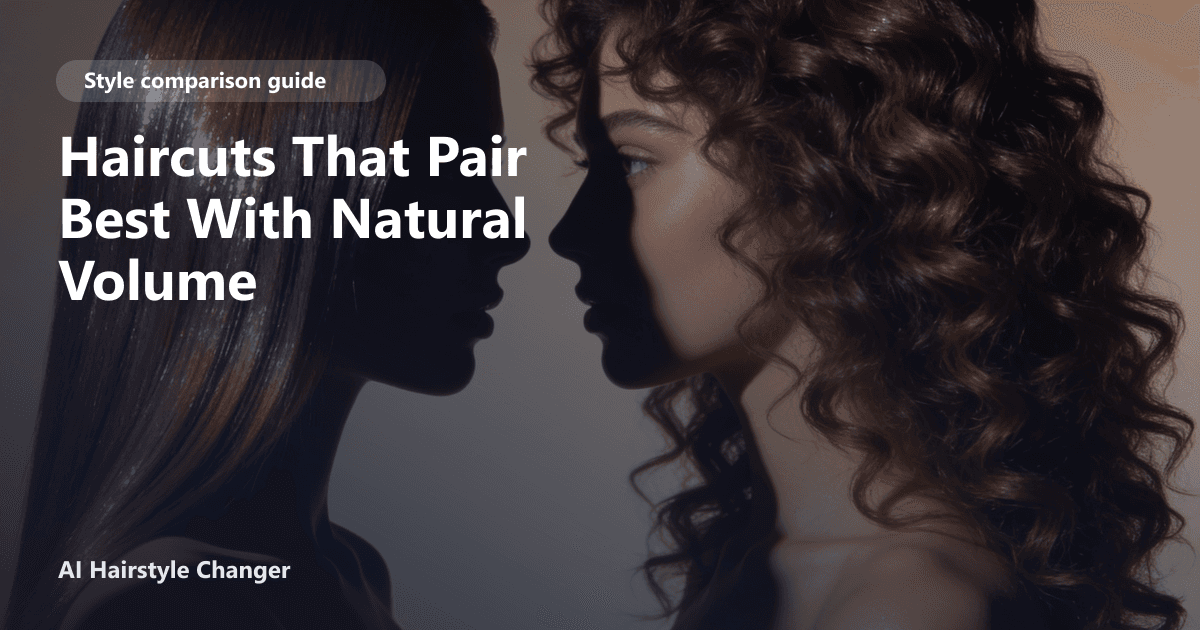
Choosing a haircut when you have natural volume is both an advantage and a challenge. You want to highlight your hair's body, but the wrong cut can make styling difficult or leave you with more poof than polish. If you're preparing for a salon visit and want to compare options, knowing which haircuts pair best with natural volume - and being able to preview them - makes all the difference.
Why Natural Volume Changes the Haircut Equation
Natural volume can be a blessing: it gives hair bounce, movement, and a sense of fullness that's hard to fake. But it also means some styles can quickly look overwhelming or lose their shape. The right haircut should work with your hair's texture and density, not fight against it. Before you book your appointment, it's smart to compare several styles and understand how each interacts with volume at different lengths and layers.
The Long Layered Cut: Effortless Volume Control
A long layered cut is a classic choice for hair with natural volume. The layers remove excess bulk while letting the hair's fullness shine through. This style works especially well if you want movement without sacrificing length.
- Who it suits: Medium to thick hair, wavy or straight textures, oval and heart-shaped faces.
- Salon conversation: Ask for face-framing layers starting at the chin or collarbone. Specify how much weight you want removed - too much layering can make ends look thin, while too little can create a pyramid effect.
- Upkeep: Trim every 8-12 weeks to prevent split ends and maintain shape. Use lightweight styling creams to define layers without weighing them down.
- When it fails: On very fine hair, layers may reduce volume too much. For extremely curly hair, layers must be carefully cut to avoid uneven shrinkage.
Previewing a long layered cut with AI Hairstyle Changer lets you see exactly where layers will fall and how they'll affect your natural volume before you commit.
The Modern Shag: Texture Meets Body
The modern shag is a go-to for those who want to maximize their hair's natural lift. Characterized by choppy layers and a tousled finish, the shag adds shape and definition without sacrificing fullness.
- Who it suits: Thick, wavy, or curly hair; round or square faces benefit from the face-framing effect.
- Salon conversation: Ask for short-to-long layers throughout, with more texture at the crown and ends. Decide if you want curtain bangs or a fringe for extra movement.
- Upkeep: Shags are relatively low-maintenance, but regular trims keep the layers fresh. Air-drying or scrunching with mousse enhances the natural texture.
- When it fails: On straight, fine hair, the shag can look limp. Over-texturizing can make thick hair frizzy if not cut carefully.
If you're torn between a shag and other textured cuts, try comparing the Wolf Cut vs Shag or Wolf Cut vs Butterfly Cut to see which suits your volume and styling preferences.
The Blunt Bob: Sleek Volume With Edge
A blunt bob offers a modern, polished look that works surprisingly well for those with natural volume. The even ends create a strong shape, while the fullness of your hair prevents the style from falling flat.
- Who it suits: Straight or slightly wavy hair; oval, heart, or square faces.
- Salon conversation: Ask for a one-length bob that hits between the chin and shoulders. Decide if you want a center or side part, and discuss whether you prefer a classic blunt edge or a softer, textured finish.
- Upkeep: Precision cuts require trims every 6-8 weeks. Use a smoothing serum to tame flyaways and enhance shine.
- When it fails: On very thick or curly hair, a blunt bob can become too round or hard to manage. If your hair is prone to frizz, regular styling may be needed.
Not sure if a blunt bob is right for your volume? Compare it with the Long Bob With Curtain Bangs vs Blunt Bob to weigh the benefits of added length and fringe.
The Wolf Cut: Wild Volume With Structure
The wolf cut is a hybrid of the shag and mullet, making it a bold choice for those who want to embrace their natural volume. It features short, choppy layers at the top with longer, softer layers at the bottom, creating a dramatic contrast and lots of movement.
- Who it suits: Thick, wavy, or curly hair; round, oval, or heart-shaped faces.
- Salon conversation: Ask for heavy layering at the crown and softer, feathered ends. Discuss how dramatic you want the shape - subtle or statement.
- Upkeep: This cut thrives on texture, so minimal heat styling is needed. Regular trims keep the layers defined.
- When it fails: On fine or straight hair, the wolf cut can look flat or stringy. It's a high-impact look that may not suit conservative workplaces.
Use AI Hairstyle Changer to preview how the wolf cut's layers and volume will look on your exact hair type, helping you avoid any surprises.
Curtain Bangs: Framing Volume Without Bulk
Curtain bangs are a versatile way to add softness and shape to voluminous hair without overwhelming your face. They blend seamlessly into layered or blunt cuts and can be styled to enhance or tame volume as needed.
- Who it suits: Most face shapes, especially round and square; pairs well with medium to long hair.
- Salon conversation: Ask for bangs that start at the cheekbones and angle longer toward the jaw. Clarify how thick you want the fringe and how much blending you prefer.
- Upkeep: Trim every 4-6 weeks. Blow-dry with a round brush for a soft, face-framing effect.
- When it fails: On very fine hair, curtain bangs can look sparse. If cut too short, they may stick out instead of draping.
Curtain bangs can be combined with a variety of cuts. Use AI Hairstyle Changer to see how they look with different styles, such as a long layered cut or a bob.
What to Ask Your Stylist: Making Volume Work for You
When discussing your options at the salon, be specific about how you want your volume to look and feel. Consider these points:
- Where do you want the most body - at the roots, mid-lengths, or ends?
- Do you prefer movement or a more structured shape?
- Are you open to bangs or face-framing layers?
- How much time do you want to spend styling each day?
Bring reference photos and, if possible, preview styles with AI Hairstyle Changer. This helps you and your stylist visualize the outcome and avoid miscommunication.
Maintenance and Styling Tips for Voluminous Cuts
Managing natural volume is about striking a balance between control and freedom. Here's how to keep your cut looking its best:
- Use lightweight, hydrating products to define shape without weighing hair down.
- Avoid heavy waxes or creams that can flatten volume.
- Air-dry when possible to preserve natural movement.
- Schedule regular trims to keep layers fresh and prevent bulk.
Discuss with your stylist which products and techniques suit your specific cut and hair type.
Comparing Popular Voluminous Haircuts: Quick Reference
| Haircut | Best For | Volume Placement | Upkeep Level |
|---|---|---|---|
| Long Layers | Medium/thick, wavy | Mid-lengths | Moderate |
| Modern Shag | Thick, wavy/curly | Crown, ends | Low |
| Blunt Bob | Straight/thick | Ends | High |
| Wolf Cut | Thick, textured | Crown, overall | Moderate |
| Curtain Bangs | Most, esp. round face | Face-framing | Moderate |
FAQ
How can I tell if a haircut will work with my natural volume?
Previewing styles with AI Hairstyle Changer is a practical way to see how your hair's volume interacts with different cuts. Also, ask your stylist for their opinion based on your hair's density and texture.
Which haircuts should I avoid if I have a lot of volume?
Avoid cuts with blunt, heavy ends and no layering if your hair is thick or curly - these can create a triangular shape or make hair hard to manage. Super short cuts can also exaggerate volume at the roots.
Can I combine multiple styles for a custom look?
Absolutely. For example, you can pair curtain bangs with a long layered cut or blend elements of the wolf cut and shag. Use AI Hairstyle Changer to experiment with combinations before making a decision.
How do I explain my volume goals to my stylist?
Bring visual references and be clear about where you want fullness and where you want it reduced. Describing your daily routine and styling preferences also helps your stylist recommend the best approach.
Takeaway: Preview and Compare Before You Cut
When you have natural volume, the right haircut can elevate your look and simplify your routine. Comparing styles, understanding their maintenance, and previewing them with AI Hairstyle Changer gives you the confidence to choose a cut that truly works for you. Try AI Hairstyle Changer and walk into your next appointment ready to love your new look.