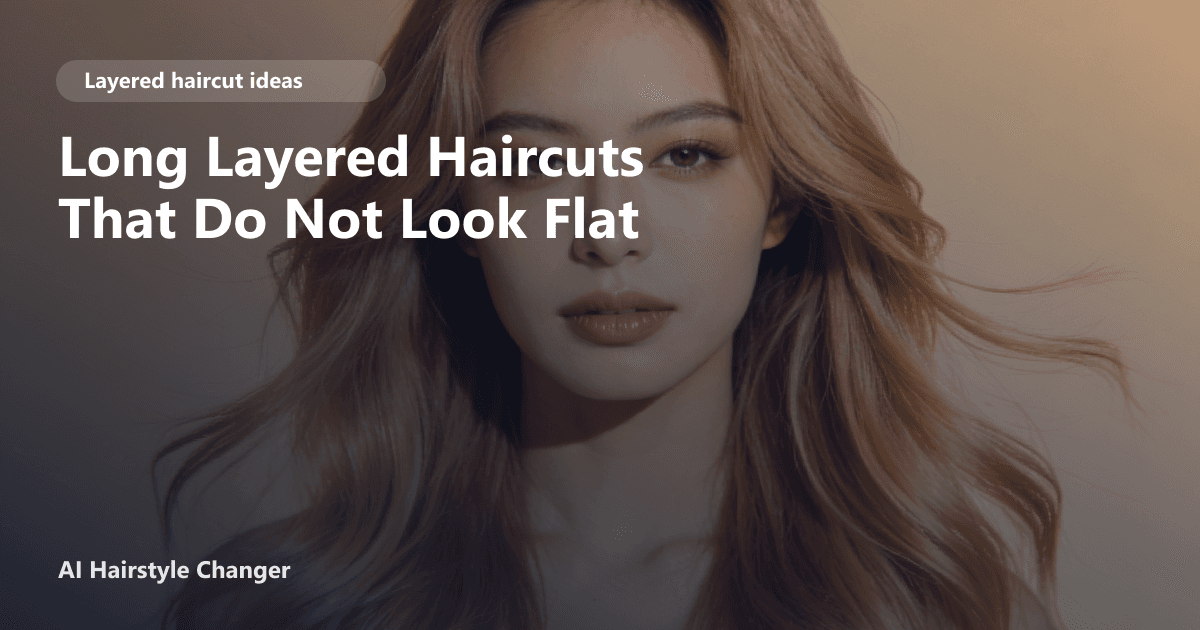
If you've ever left the salon with long hair that looks limp and flat, you know how frustrating it is to get the wrong kind of layers. The right long layered haircut can add movement, dimension, and volume, but the wrong approach can make even thick hair look lifeless. Whether your goal is to soften your face shape, lighten heavy ends, or simply avoid that dreaded flat look, understanding the nuances of long layered haircuts is key.
Why Do Some Long Layered Haircuts Look Flat?
Long layers are supposed to create shape and bounce, but not every technique delivers. Flatness usually comes from layers that are too sparse, too long, or cut without considering your hair's texture and density. If layers start too low or are too blunt, the top section can weigh everything down, leaving your hair limp at the roots and heavy at the ends.
A great long layered haircut should:
- Start layers at the right point for your face and hair type
- Add visible movement and separation
- Create volume at the crown or around the face, not just at the ends
- Avoid thinning out ends so much that they look stringy
Before booking your next appointment, it pays to visualize the results. With AI Hairstyle Changer, you can preview how different long layered cuts will look on your actual hair, helping you avoid disappointment and communicate clearly with your stylist.
The Face-Framing Layered Cut
Face-framing layers are a classic for a reason - they instantly add shape and softness without sacrificing length. These layers typically start around the chin or cheekbones and cascade down, blending into longer layers throughout the hair. This style works well for straight, wavy, or lightly textured hair and is especially flattering for those with round or square face shapes.
What to ask for:
- Layers that begin at your chin or cheekbones
- Subtle graduation, with the shortest layer framing your face
- Blending into longer layers through the length
Best for:
- Medium to thick hair
- Anyone wanting to highlight facial features or soften strong jawlines
Maintenance:
- Trim every 8-12 weeks to keep the shape crisp
- Use a round brush or blow-dryer to enhance movement
Potential pitfalls:
- If layers start too low, you lose the face-framing effect
- Over-texturizing can make ends look wispy
Curious how face-framing layers would look on you? Try them virtually with AI Hairstyle Changer before committing.
The Long Shag: Volume Without Bulk
The modern shag is a go-to for anyone wanting maximum volume and movement in long hair. Unlike traditional blunt layers, the shag involves lots of choppy, textured layers throughout the length, often paired with curtain bangs or soft fringe. The result is a lived-in, effortless look that never feels flat.
What to ask for:
- Lots of layers, starting at the crown and continuing through the ends
- Texture and separation, not blunt cuts
- Optional curtain bangs or soft fringe for extra lift
Best for:
- Fine to medium hair that needs a volume boost
- Those who like tousled, undone styles
Maintenance:
- Texturizing spray or mousse for definition
- Regular trims to avoid split ends
When to avoid:
- If your hair is very thick, ask your stylist to remove bulk strategically so it doesn't become poofy
If you're unsure how much texture is too much, AI Hairstyle Changer lets you preview different shag variations and fringe options on your own face.
U-Shaped Layers for Subtle Movement
A U-shaped cut creates a gentle curve at the ends, with layers that are longer at the back and slightly shorter at the sides. This approach adds movement and volume without creating harsh lines or losing too much length. It's a great option for those who want layers but prefer a softer, more blended look.
What to ask for:
- A U-shaped perimeter with blended, graduated layers
- Layers that start around the collarbone or below
- Minimal thinning at the ends
Best for:
- Thick, straight, or wavy hair
- Anyone who wants to keep their hair looking full and healthy
Maintenance:
- Easy to grow out
- Minimal styling required - just let the natural movement show
What to avoid:
- Over-layering, which can thin out the ends
- Starting layers too high, which can disrupt the U-shape
For more ideas on layered shapes by length and hair type, see the Layered Haircuts Guide: Best Layered Styles by Length, Hair Type, and Face Shape.
Long Layers with Curtain Bangs
Adding curtain bangs to long layered hair is a smart way to create instant volume and face interest. Curtain bangs are parted down the middle and blend into side layers, drawing attention to your eyes and cheekbones while keeping the overall look soft and modern.
What to ask for:
- Long, center-parted curtain bangs that blend into face-framing layers
- Layers that start at the cheekbones or collarbone
- A seamless transition from bangs to the rest of your hair
Best for:
- Straight or wavy hair
- Oval, heart, or round face shapes
Maintenance:
- Bang trims every 4-6 weeks
- Blow-drying or styling cream to keep bangs in place
Potential drawbacks:
- Curtain bangs require some daily styling
- Not ideal for very curly hair unless you're ready to style them smooth
Use AI Hairstyle Changer to see how curtain bangs and layers will work with your unique features before your next cut.
Layered V-Cut for Dramatic Dimension
The V-cut is a bold choice for long hair, with layers angled steeply to create a pointed shape at the back. This technique removes bulk from the sides and adds a striking, cascading effect that's anything but flat. The V-cut is especially popular for those who want to keep their hair long but crave more movement and dimension.
What to ask for:
- A pronounced V-shape at the back
- Steep, graduated layers throughout the length
- Blending at the sides to avoid harsh lines
Best for:
- Thick, straight, or wavy hair
- Those who want dramatic shape and visible layering
Maintenance:
- Regular trims to keep the V-shape sharp
- Smoothing serum or light oil to prevent frizz at the ends
When to reconsider:
- If your hair is fine, the V-cut can make ends look sparse
For a softer take on movement at shoulder length, see Layered Shoulder-Length Hair: Best Cuts That Keep Movement.
Layering Strategies to Avoid Flat Hair
No matter which variation you choose, the key to avoiding flatness in long layered hair is customized layering. Here's what makes the difference:
- Layer Placement: Layers starting at the crown or around the face add lift and prevent a heavy, one-length look.
- Blending: Well-blended layers avoid choppy lines and keep hair looking full.
- Volume Support: Products like volumizing mousse, texturizing spray, and root lifters can enhance the effect of your cut.
- Salon Communication: Bring reference photos and be specific about where you want volume and movement.
With AI Hairstyle Changer, you can upload your selfie, preview different layer placements, and shortlist your favorites to show your stylist. This makes it easier to communicate what you want and avoid common mistakes.
How to Prep for Your Layered Cut Appointment
Before your salon visit, take these steps for the best results:
- Try Before You Cut: Use AI Hairstyle Changer to test different long layered haircuts on your photo. Save your top picks.
- Gather References: Collect images of styles you like, focusing on length, layering, and fringe details.
- Note Your Preferences: Decide if you want face-framing layers, curtain bangs, a U-shape, or a V-cut.
- Discuss Upkeep: Ask your stylist about maintenance, styling tips, and how often you'll need trims.
If you're considering a shorter option, check out Best Layered Haircuts for Medium Hair for more ideas.
FAQ
How do I ask my stylist for long layers that won't look flat?
Be specific about where you want the layers to start (crown, cheekbones, collarbone) and ask for visible movement and volume. Bring reference photos and mention if you want a particular shape, like a U or V. Previewing styles with AI Hairstyle Changer can help you communicate your vision.
Will layers make my long hair look thinner?
Not if done correctly. Well-placed layers add movement and shape without thinning out the ends. Over-layering or excessive thinning can make hair look wispy, so discuss your hair's density with your stylist.
What's the best way to style long layered hair for volume?
Blow-dry with a round brush, use volumizing mousse at the roots, and add texturizing spray through the lengths. For extra lift, flip your head upside down while drying. Layered cuts naturally enhance these techniques.
Can I try layered haircuts virtually before cutting?
Yes - AI Hairstyle Changer lets you upload your selfie and preview a range of long layered haircuts, from face-framing layers to dramatic V-cuts, so you can choose with confidence.
Takeaway: Preview, Decide, and Avoid Flat Hair
Long layered haircuts don't have to mean limp, lifeless ends. With the right cut and a clear vision, you can get movement, volume, and shape that lasts between salon visits. Use AI Hairstyle Changer to test different layered styles, shortlist your favorites, and walk into your next appointment knowing exactly what you want. Ready to see yourself with fuller, more dynamic layers? Head to Hairstyle Try on Online Free Test Cuts before Booking and start your transformation.