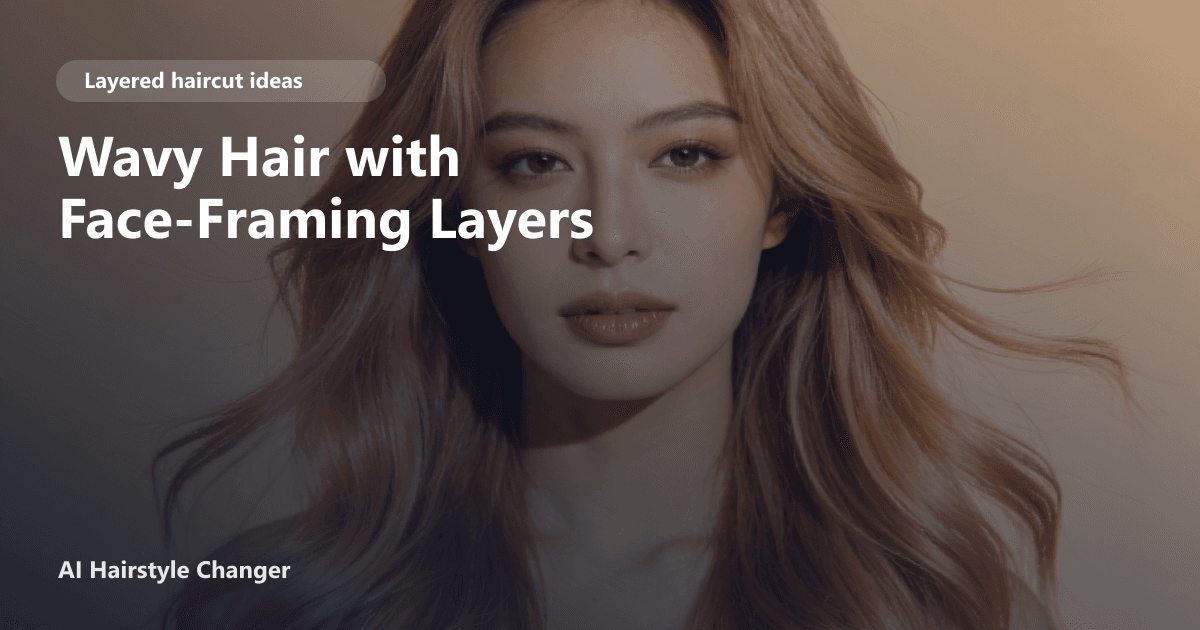
You want a fresh cut, but the risk of regret is real - especially when you have wavy hair and crave layers that frame your face. Maybe you've seen a friend's new style and wondered if those face-framing layers would flatter your own waves. Or perhaps you've had a bad layering experience before and want to avoid a repeat. The challenge: how to get the movement, shape, and softness of layered hair without sacrificing your natural texture or ending up with a cut that falls flat.
Why Face-Framing Layers Work for Wavy Hair
Face-framing layers are designed to highlight your features - cheekbones, jawline, and eyes - while adding movement and lightness to your hair. For wavy hair, these layers can prevent bulkiness, help curls form, and keep your style from looking heavy or shapeless. The right layering technique can also make air-drying easier and reduce the need for constant heat styling.
Unlike blunt cuts, which can weigh down waves and make them look boxy, face-framing layers create a soft, flattering outline. The shortest layers typically start somewhere between the chin and collarbone, depending on your face shape and personal preference. This approach works for nearly all wave patterns, from loose bends to defined S-curves.
Four Popular Directions for Wavy Hair with Face-Framing Layers
There's no single formula for layered hair. Here are four proven variations that work especially well for wavy textures:
1. Shoulder-Length Waves with Soft Face-Framing Layers
This classic cut is ideal if you want to keep length but add shape. Ask your stylist for layers that start just below the cheekbone and taper down toward the shoulders. The result: waves that bounce and move, with gentle pieces around the face that soften strong features.
- Best for: Medium-density hair, oval or heart-shaped faces
- What to ask for: Shoulder-length base, soft layering around the face, minimal thinning
- Upkeep: Trim every 8-10 weeks to maintain shape
- Avoid: Over-layering, which can make ends look sparse
See more inspiration in the Best Layered Haircuts for Medium Hair guide.
2. Long Wavy Hair with Graduated Layers
If you love your length but crave movement, graduated layers are the solution. These layers start at the collarbone or below, blending seamlessly into the rest of your waves. The face-framing pieces are longer, creating a subtle curtain effect that's easy to style.
- Best for: Thick or long wavy hair, round faces
- What to ask for: Long, blended layers starting at the collarbone, longer face-framing pieces
- Upkeep: Trim every 10-12 weeks; use a hydrating leave-in to prevent frizz
- Avoid: Too-short layers near the face, which can look choppy or disrupt wave pattern
3. Layered Lob with Face-Framing Bangs
A layered lob (long bob) with face-framing bangs is perfect if you want a modern, low-maintenance look. Layers are cut to encourage natural wave formation, while the bangs (curtain or side-swept) highlight your eyes and cheekbones. The overall effect: effortless, tousled texture.
- Best for: Fine to medium wavy hair, square or round faces
- What to ask for: Lob length (just above shoulders), light layering through ends, curtain or side-swept bangs
- Upkeep: Bang trims every 4-6 weeks, full cut every 8-10 weeks
- Avoid: Heavy, blunt bangs that don't blend into the layers
Explore more options in the Layered Shoulder-Length Hair: Best Cuts That Keep Movement article.
4. Shag-Inspired Wavy Layers
The modern shag is making a comeback, and it's especially flattering for wavy hair. This cut features lots of short-to-long layers, with face-framing pieces that start at the brow or cheekbone. The look is intentionally tousled and full of volume, making it ideal for anyone who loves a lived-in vibe.
- Best for: Medium to thick hair, oval or long faces
- What to ask for: Shaggy layers throughout, face-framing starting at the brow or cheekbone, textured ends
- Upkeep: Regular trims to maintain shape and prevent split ends
- Avoid: Too much thinning at the crown, which can create unwanted poof
How to Talk to Your Stylist About Face-Framing Layers
Walking into the salon with a clear vision is key. Bring reference photos - either from your own try-on session with AI Hairstyle Changer or from online galleries. Be specific about where you want the shortest face-framing layer to fall (e.g., chin, cheekbone, collarbone).
Key points to discuss:
- Your natural wave pattern and how you usually style your hair
- Desired length and whether you want to keep or lose length overall
- How much layering you're comfortable with (subtle vs. dramatic)
- Whether you want bangs or just face-framing pieces
Don't be afraid to ask your stylist to cut layers gradually, so you can see the effect before committing to more. And always clarify how the layers will look when your hair is both styled and air-dried.
Maintenance Tips for Layered Wavy Hair
Layered hair can be easy to care for, but it does require some attention to keep it looking its best. Here's how to maintain your face-framing layers:
- Use a sulfate-free shampoo and nourishing conditioner to keep waves hydrated
- Apply a lightweight curl cream or mousse to enhance definition and reduce frizz
- Air-dry or diffuse on low heat to preserve wave shape
- Schedule regular trims to avoid split ends and maintain the shape of your layers
- Sleep on a silk pillowcase or use a loose braid to prevent tangling overnight
If you're new to layers, expect a slight learning curve as you figure out the best products and routines for your updated cut. A stylist can recommend products tailored to your hair type and goals.
When Face-Framing Layers Don't Work - and What to Do Instead
While face-framing layers are versatile, they're not the right fit for every hair type or lifestyle. If your waves are extremely fine or prone to frizz, too many layers can make your hair look thin or unruly. Those with very short hair may find that face-framing layers don't have enough length to create the desired effect.
Alternatives to consider:
- Subtle, long layers that add movement without sacrificing fullness
- Blunt cuts with minimal layering for fine or delicate waves
- A single, longer face-framing piece on one side for asymmetry
If you're unsure, use AI Hairstyle Changer to preview different variations before making a final decision. You'll see how each option flatters your features - and avoid surprises in the salon chair.
Try Before You Cut: The Power of AI Hairstyle Changer
Choosing a new layered hairstyle is easier when you can see the results in advance. AI Hairstyle Changer lets you upload a selfie and test-drive face-framing layers in seconds. Compare subtle versus dramatic layers, experiment with different lengths, and save your favorite looks to share with your stylist.
This virtual try-on approach is especially helpful for wavy hair, where texture and layering interact in complex ways. You'll gain confidence knowing exactly how your chosen style will look with your unique wave pattern, face shape, and hair density. No more guesswork - or haircut regret.
Ready to explore more layered styles? Check out the comprehensive Layered Haircuts Guide: Best Layered Styles by Length, Hair Type, and Face Shape for even more inspiration.
FAQ
How do I know if face-framing layers will suit my wavy hair?
Face-framing layers work for most wavy hair types, especially if you want to highlight your features and add movement. Use AI Hairstyle Changer to preview how different layering approaches will look with your unique wave pattern and face shape.
How often should I trim layered wavy hair?
Most stylists recommend trimming every 8 to 12 weeks to maintain the shape and prevent split ends. Layered cuts can lose definition as they grow out, so regular trims keep your style fresh.
Can I get face-framing layers if I have bangs?
Absolutely. Face-framing layers can be combined with curtain or side-swept bangs for a soft, blended look. Talk to your stylist about how the layers and bangs will interact, and preview the combo with a virtual try-on.
What products work best for layered wavy hair?
Look for lightweight curl creams, mousses, or leave-ins that enhance wave definition without weighing hair down. Avoid heavy oils or silicones, which can flatten layers and reduce movement.
Takeaway: Try Wavy Face-Framing Layers Online Before Your Salon Visit
A great layered cut can transform your wavy hair, but the key is finding the right variation for your face and texture. Use AI Hairstyle Changer to experiment with face-framing layers, compare options, and walk into your next appointment with total confidence. Ready to see the difference? Try on layered looks for free before you book your cut.