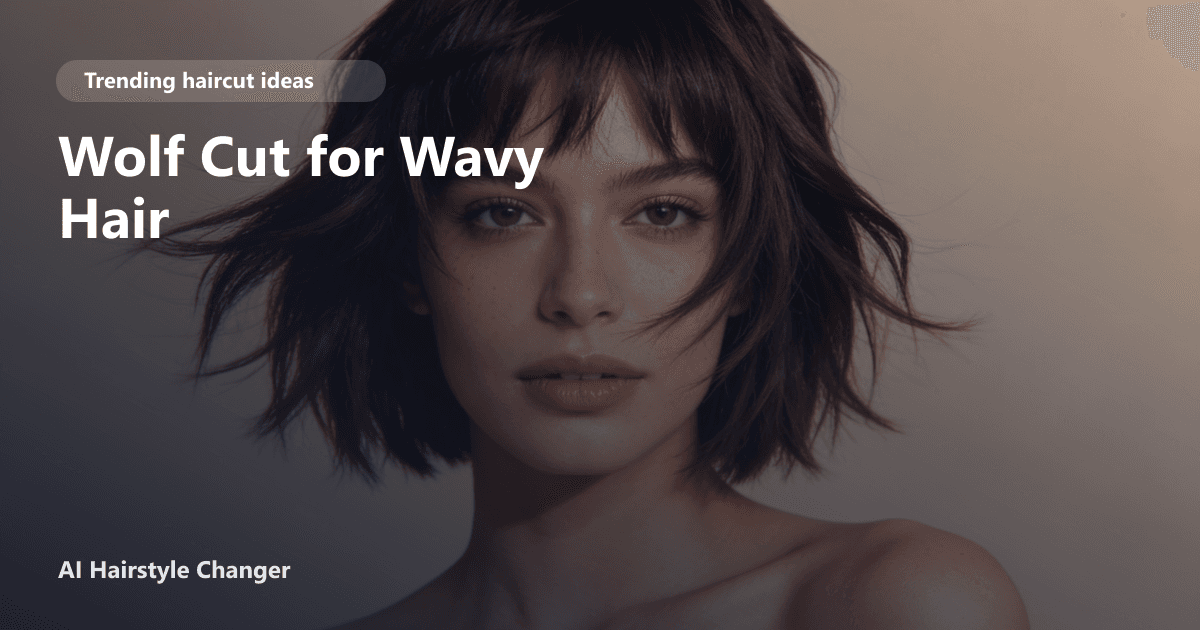
Every wavy-haired person knows the anxiety before a haircut: will those layers bounce the way you want, or flatten out by day two? The wolf cut, a hybrid of shag and mullet, is everywhere on social feeds - but is it really made for waves? If you're considering a bold change before your next appointment, here's how the wolf cut plays with wavy textures, what to ask for, and how to preview the look with AI Hairstyle Changer before you commit.
Why the Wolf Cut Works for Wavy Hair
The wolf cut's signature is its wild, lived-in texture - something wavy hair delivers naturally. Unlike classic shags or butterfly cuts, the wolf cut's short, choppy layers create volume at the crown and movement through the mid-lengths. This works especially well for wavy hair that can hold shape without too much styling.
If your hair is fine and wavy, the wolf cut adds fullness without heavy layering that can make waves limp. For thicker waves, it removes weight and encourages a tousled, effortless finish. The result? A style that looks intentional even as it grows out.
Key Wolf Cut Variations for Wavy Hair
Not all wolf cuts are the same. Here are four approaches that suit different wavy hair types and personal styles:
- Classic Wavy Wolf Cut: Chin-length or longer, with short layers at the crown and longer, face-framing pieces. Works for medium to thick waves. Ask your stylist for choppy layers that start at the temples and blend down, keeping the ends textured, not blunt.
- Butterfly Wolf Hybrid: Combines the airy, curtain-like layers of a butterfly cut with the volume of a wolf cut. Great if you want movement without losing too much length. Request long, swooping layers around the face and lighter stacking at the crown.
- Shaggy Wolf for Loose Waves: For softer waves, a shag-inspired wolf cut features more blended, feathered layers. This keeps the style low-maintenance and avoids the risk of triangle-shaped volume at the ends. Ideal for those who want a subtle transformation.
- Short Wolf Cut: If you're ready for a bigger change, try a collarbone or shorter wolf cut. This version uses cropped layers and a textured fringe to maximize lift on wavy hair, making styling quick and easy.
Each of these can be previewed in seconds with AI Hairstyle Changer, so you can see which shape flatters your natural wave pattern before booking your appointment.
What to Ask for in the Salon
Walking into the salon with a clear reference is key. Bring photos - ideally ones you've tried on virtually. For the wolf cut on wavy hair, talk through:
- Layer Placement: Should layers start at the cheekbones, chin, or collarbone? For more volume, ask for layers starting higher up. For a softer look, start lower.
- Fringe Options: Curtain bangs, micro-fringe, or no fringe at all? Wavy hair can handle a curtain bang well, but a blunt fringe may require daily styling.
- Length: Decide how much length you're willing to lose. The wolf cut can work from shoulder to mid-back, but the shortest layers will define the overall effect.
- Texture: Ask for point-cutting or razor techniques to avoid blunt lines that can weigh down waves.
Previewing different versions with AI Hairstyle Changer helps clarify these decisions and gives your stylist a visual target.
Maintenance: The Good, the Bad, and the Unexpected
Wolf cuts are designed to look a little wild, but upkeep still matters. Here's what to expect:
- Styling: Most wavy wolf cuts air-dry beautifully. A bit of mousse or salt spray enhances texture. Diffusing adds volume at the crown if your waves are loose.
- Trims: Plan on a trim every 8 - 10 weeks to keep layers defined and prevent the shape from collapsing.
- Fringe Upkeep: If you opt for bangs, you may need a touch-up every 4 - 6 weeks, especially if your hair grows fast.
- Product Use: Lightweight creams or sprays work best. Heavy products can flatten the layers and reduce movement.
If you want a style that looks good with minimal effort, the wolf cut is a top contender. But if you dislike regular trims or daily fringe styling, consider a shaggier, longer-layered version.
When the Wolf Cut Fails on Wavy Hair
No haircut is perfect for everyone. The wolf cut can fall flat if:
- Your waves are very loose or inconsistent, making the layers look uneven or stringy.
- You prefer sleek, polished styles over messy volume.
- You have very fine hair and don't want to lose density at the ends.
- You dislike visible layering or want a one-length look.
In these cases, a butterfly cut or a classic long shag may be a better fit. Check out Wolf Cut Guide: Who It Suits and How to Style It for more advice on choosing the right version for your hair type.
Wolf Cut vs. Butterfly Cut vs. Shag: Which for Wavy Hair?
The wolf cut, butterfly cut, and shag all offer layered movement, but each has a distinct vibe:
| Style | Key Features | Best For |
|---|---|---|
| Wolf Cut | Choppy, short layers; volume | Medium/thick waves |
| Butterfly Cut | Long, blended layers; face frame | Long, soft waves |
| Shag | Feathery, blended layers | All wave types |
If you're torn between these options, AI Hairstyle Changer lets you preview each style on your own hair texture. You can even save your favorites to show your stylist, reducing miscommunication and regret.
For more inspiration, browse Best Wolf Cut Ideas for Long Hair and Wolf Cut for Curly Hair: Layers Without Losing Shape.
How to Prepare for a Wolf Cut Appointment
- Bring Visuals: Use AI Hairstyle Changer to try on different wolf cut variations, save screenshots, and bring them to your stylist.
- Know Your Texture: Arrive with your natural wave pattern (air-dried, no heavy products) so your stylist can see how your hair moves.
- Discuss Styling Routine: Be honest about how much time you want to spend styling. Your stylist can adjust the layering and fringe to match your lifestyle.
- Ask About Grow-Out: A good wolf cut should look intentional as it grows. Ask how the shape will evolve and when you'll need your next trim.
FAQ
Can the wolf cut work on loose or barely-there waves?
Yes, but results vary. On very loose waves, the wolf cut can add movement, but layers may not pop as much. Try a longer, blended version or preview styles with AI Hairstyle Changer before deciding.
Will the wolf cut make my hair look thinner?
If over-layered, fine wavy hair can look thinner at the ends. Ask your stylist for minimal thinning and keep the shortest layers above the cheekbones to maintain fullness.
How do I style a wolf cut on wavy hair day-to-day?
Most wavy wolf cuts require little more than air-drying and a touch of texturizing spray. For extra volume, diffuse at the roots or scrunch with mousse.
What's the difference between a wolf cut and a shag for wavy hair?
The wolf cut is more dramatic, with shorter, choppier layers and a mullet-like silhouette. The shag is softer and more blended, often with feathered ends and less volume at the crown.
Takeaway: Try Before You Cut
The wolf cut is a statement style that brings out the best in wavy hair - if you choose the right version for your texture and lifestyle. With AI Hairstyle Changer, you can preview classic, butterfly, and shag-inspired wolf cuts on your own waves, shortlist your favorites, and walk into your next salon visit with confidence. Ready to see your new look? Head to AI Hairstyle Changer: Try New Looks Before You Cut and experiment with more clarity.