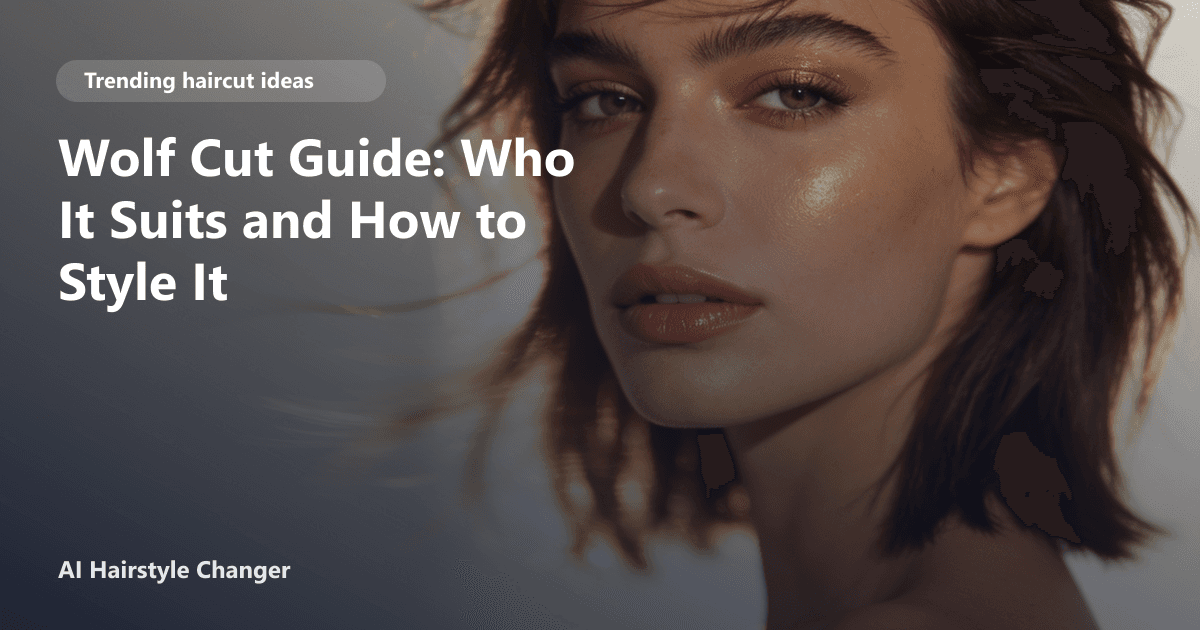
What Is a Wolf Cut and Why It's Everywhere Right Now
The wolf cut is the haircut that refuses to fade. Born from K-pop and TikTok trends, this hybrid style merges the choppy, layered texture of a shag with the edgy, shorter-in-front silhouette of a mullet. The result? A high-volume, face-framing cut that looks effortless but delivers serious style impact.
What makes the wolf cut stick around is its adaptability. It works on long hair, short hair, straight strands, and curly coils. The key is the combination: short, wispy layers around the crown and face, with longer layers that taper toward the ends. This creates movement and removes bulk without sacrificing length.
Before you book that salon appointment, visualizing the cut on your own features saves time and prevents miscommunication. An AI Hairstyle Changer lets you upload a selfie and see exactly how a wolf cut frames your face-no imagination required.
Wolf Cut vs. Butterfly Cut vs. Shag: What's the Difference?
These three layered cuts get mixed up constantly. Here's how to tell them apart:
- Wolf Cut: Short, choppy layers on top with a distinct mullet-like shape. The front is shorter than the back, and the crown has major volume. It's edgier and more rock-and-roll.
- Butterfly Cut: Layered but balanced. The shortest layers sit around the chin, while longer layers keep most of your length intact. It's softer and more romantic. Learn more about how the Butterfly Cut Hair: The Layered Cut That Keeps Length works for different textures.
- Shag: Uniform layers from top to bottom with heavy bangs. It's the most classic of the three and lacks the dramatic front-to-back length difference.
If you want something bold with attitude, the wolf cut wins. If you prefer subtle layers that maintain length, the butterfly cut might be your match.
Who Actually Looks Good in a Wolf Cut?
Face Shapes That Shine
- Oval and Heart-Shaped Faces: The short layers highlight cheekbones and soften the jawline. The volume at the crown balances narrower chins.
- Round Faces: The height on top elongates the face. Ask your stylist to keep the front pieces longer to avoid adding width.
- Square Faces: The wispy, textured layers break up strong jawlines and add softness.
Hair Textures That Work
Thick Hair: The wolf cut removes bulk and weight, making thick hair more manageable. The choppy layers prevent that pyramid effect.
Wavy Hair: This is the sweet spot. Natural wave patterns amplify the cut's messy, undone vibe with minimal styling.
Curly Hair: Yes, it works - but the layering technique matters. Too short on top and you risk a triangular shape. For curl-specific advice, see Wolf Cut for Curly Hair: Layers Without Losing Shape.
Straight Hair: You'll need styling products to create movement. The cut itself provides the structure, but texture doesn't happen automatically.
Thin Hair: Proceed with caution. Heavy layering can make thin hair look sparser. Opt for longer, softer layers and keep the crown volume moderate.
Lifestyle Check
The wolf cut suits people who want a statement look without spending hours styling. It's ideal for:
- Creative professionals who can wear edgy styles at work
- Anyone growing out a pixie or bob who wants an in-between option
- People who air-dry their hair and go
If you wear a sleek ponytail daily or need a corporate-polish look, this cut requires more styling effort than you might want.
How to Style a Wolf Cut: Daily Routine
Tools You Need
- Diffuser attachment for your hair dryer
- 1-inch curling wand or flat iron
- Texturizing spray or dry shampoo
- Lightweight mousse or volumizing spray
- Sea salt spray (for beachy texture)
Step-by-Step for Volume and Movement
1. Start Damp: Apply mousse to roots and work it through mid-lengths. This builds the foundation volume the wolf cut needs.
2. Diffuse Upside Down: Flip your head over and diffuse on medium heat. Focus on the crown layers to create that signature lift. Don't over-dry; leave some moisture for natural movement.
3. Piece Out the Layers: Use a small curling wand to add random bends in the shorter layers. Alternate directions for a messy, not-perfect look. The goal is texture, not uniform curls.
4. Tame the Ends: Lightly run the iron over the longer bottom layers if they need polish. Keep it minimal.
5. Finish with Product: Spray texturizing spray at the roots and scrunch. For hold, use a light-hold hairspray. Avoid heavy waxes or pomades-they'll weigh down the layers.
Quick Variations
- Sleek Version: Blow-dry smooth with a round brush, then flat iron the longer layers only. Keep the top slightly messy for contrast.
- Bedhead Look: Skip heat. Apply sea salt spray to damp hair, scrunch, and air-dry. Perfect for wavy or curly textures.
- Half-Up Style: Pull the top layers into a small claw clip. The shorter pieces will frame your face while the longer layers cascade down.
Testing these styles before your cut helps you understand the maintenance level. Upload your photo to an AI Hairstyle Changer to preview how each variation looks with your hair texture and face shape.
Maintenance: How Often and What It Costs
Trim Schedule
The wolf cut grows out gracefully, but the short layers lose their shape fast. Book trims every 6-8 weeks to keep the silhouette sharp. The longer back can go 10-12 weeks if you're on a budget.
At-Home Upkeep
- Refresh Layers: Use thinning shears on the very ends of the top layers if they start looking bulky. Snip vertically, not horizontally.
- Tone the Bulk: If the crown gets too puffy, a light root touch-up with texturizing shears (or a careful stylist) can calm it down.
- Product Buildup: Short layers show oil faster. Use a clarifying shampoo once a week if you load up on styling products.
Growing It Out
The wolf cut transitions into a shaggy lob or layered mid-length cut without awkward phases. As the top layers grow, they blend into the longer pieces. The key is regular dustings of the ends to prevent a stringy look.
Wolf Cut Ideas for Different Lengths
The cut adapts to any length, but the execution changes. For long hair, the contrast between short crown layers and long back pieces creates drama. Check out Best Wolf Cut Ideas for Long Hair for length-specific inspiration.
Short wolf cuts (above the shoulders) emphasize the mullet shape and require more precise styling. Medium-length versions offer the best of both worlds-enough length to pull back, enough layers for volume.
FAQ
Is a Wolf Cut High Maintenance?
Not really. The cut itself does the heavy lifting. You'll spend 5-10 minutes styling daily, mostly on product application and quick diffusing. The maintenance comes from frequent trims to keep the shape. If you air-dry and embrace messiness, it's low-effort.
Can I Cut a Wolf Cut at Home?
Technically yes, but the risk is high. The layering is complex-short on top, long in back, with seamless blending. One wrong snip and you have a choppy mullet. If you're determined, watch multiple tutorials and cut less than you think. Better yet, get the initial cut from a pro, then maintain the ends yourself.
Will a Wolf Cut Work on Thin Hair?
It can, but modify it. Ask for longer layers (no shorter than chin-length) and minimal crown volume. Use thickening sprays and avoid heavy texturizing products that separate strands. The AI Hairstyle Changer can show you if the proportions work with your hair density before you decide.
How Is It Different From a Mullet?
The mullet is blunt-short front, long back, minimal layering. The wolf cut is all about texture. It has graduated layers that create a seamless flow from short to long. The wolf cut is softer, more wearable, and styled for volume rather than a stark contrast.
Final Takeaway
The wolf cut delivers edge, volume, and versatility in one package. It suits a wide range of face shapes and textures, but the key is customization-layer length, crown height, and overall shape should match your features and lifestyle.
Before you commit, visualize the cut on yourself. Upload a selfie to the AI Hairstyle Changer to test the wolf cut, experiment with styling options, and build a reference gallery for your stylist. It's the fastest way to turn inspiration into a haircut you'll actually love.
Ready to try it on? Visit AI Hairstyle Changer Try New Looks before You Cut and see your wolf cut today.