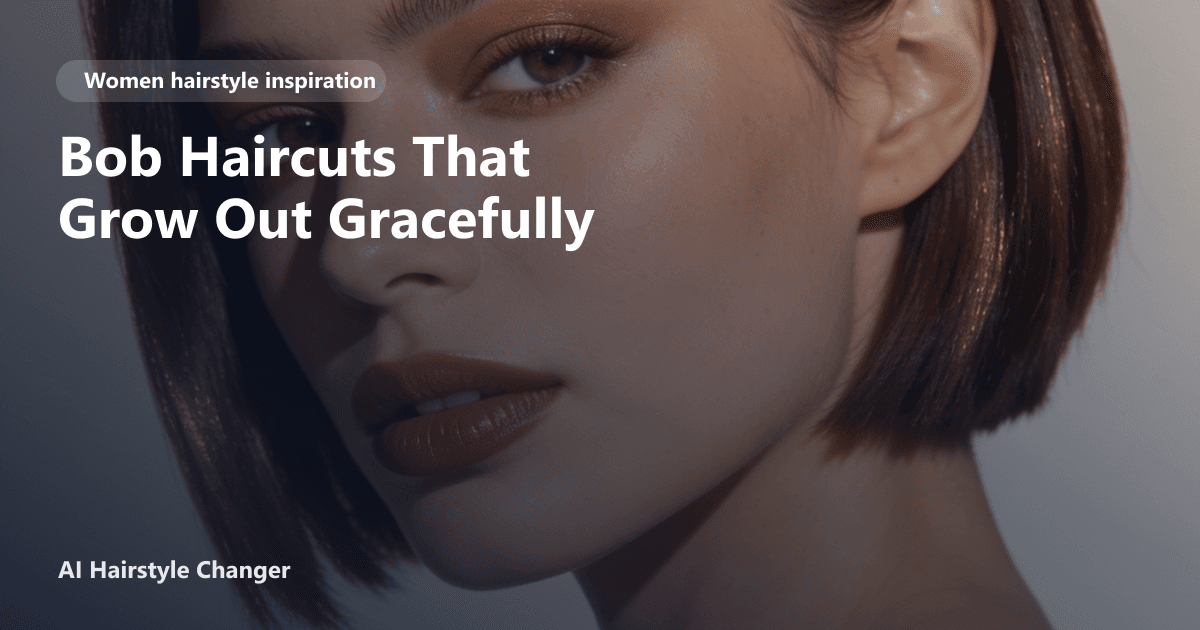
You've booked a haircut appointment, but there's a nagging worry: what if your new bob looks awkward in a few weeks? Maybe you've seen bobs that morph into odd shapes or lose their bounce as they grow. The truth is, not all bobs are created equal - some styles are built to look effortless as they grow out, while others require constant trims to stay sharp. If you want a bob haircut that grows out gracefully, it's essential to choose the right cut, understand the maintenance, and know what to ask your stylist.
Why Growing Out a Bob Can Be Tricky
Bobs are famous for their versatility and chic lines, but as your hair grows, those crisp edges can turn bulky or uneven. A perfectly blunt bob may look stunning on day one, yet two months later, it might feel heavy at the ends or lose its shape around your jawline. Layers, graduation, and fringe placement all play a role in how your bob will evolve. Choosing a bob that's designed to transition well can save you from awkward in-between stages and reduce the urge for emergency trims.
The Key Features of a Graceful-Growing Bob
A bob that grows out well usually has:
- Soft, blended layers that prevent harsh lines as the length increases.
- Subtle graduation at the nape to avoid a bulky back.
- A length that flatters your face shape at multiple stages.
- Minimal but strategic texturizing to maintain movement.
These features help the shape stay flattering, even as your hair gains an inch or two. When talking to your stylist, ask about layering and graduation that will keep the style balanced as it grows.
Four Bob Haircuts That Grow Out Beautifully
Let's break down four bob variations that are known for their graceful transitions, plus tips for who they suit, what to request, and what to avoid.
1. The Long Bob (Lob)
The lob is a classic for a reason: its shoulder-skimming length means it looks intentional whether freshly cut or grown out by a few months. The lob suits most face shapes and works especially well if you want the option to tuck your hair or tie it back as it gets longer.
- Target length: Between the collarbone and shoulders.
- Layering: Ask for soft, long layers to add movement without sacrificing fullness.
- Fringe direction: Side-swept or curtain bangs blend well as they grow.
- Volume placement: Focused around the crown for natural lift.
- Upkeep: Trims every 8 - 12 weeks; grows out into a mid-length cut with ease.
- When it fails: Avoid if you want a dramatic, jaw-length statement - this is a subtler look.
2. The Layered Bob
A layered bob is ideal if you want a style that never feels heavy or boxy. By blending the ends and adding movement, this cut softens as it grows, preventing the dreaded triangle shape.
- Target length: Chin to just above the shoulders.
- Layering: Request invisible or face-framing layers for a seamless look.
- Fringe direction: Optional; soft curtain or wispy bangs grow out painlessly.
- Volume placement: Layers create natural bounce throughout.
- Upkeep: Trims every 8 - 10 weeks; easy to style as it grows.
- When it fails: Avoid chunky, uneven layers that can look messy as they grow.
3. The Graduated Bob
Graduation at the nape keeps the back neat as your hair grows, while longer front pieces frame the face. This cut is perfect for those wanting a bit of edge without constant maintenance.
- Target length: Shorter at the nape, angled toward the chin.
- Layering: Ask for subtle graduation - nothing too stacked.
- Fringe direction: No fringe or a soft side part works best.
- Volume placement: Slight lift at the crown, with smooth sides.
- Upkeep: Trims every 6 - 10 weeks; grows into a classic bob shape over time.
- When it fails: Avoid extreme stacking, which can look awkward as it grows.
4. The Textured Bob
A textured bob uses point-cutting or razor techniques for a tousled, undone finish. This style is forgiving as it grows, since the ends blend naturally and don't create harsh lines.
- Target length: Anywhere from jaw to collarbone.
- Layering: Request soft, choppy ends and subtle internal layers.
- Fringe direction: Curtain or piecey bangs add to the effortless vibe.
- Volume placement: Texture throughout for a lived-in look.
- Upkeep: Trims every 8 - 12 weeks; grows into a relaxed, longer bob.
- When it fails: Avoid if you want a super sleek, polished finish.
What to Ask Your Stylist for a Low-Maintenance Bob
When you're ready for your appointment, bring clear reference photos and be specific with your requests. Here's how to guide the conversation:
- Show examples: Use AI Hairstyle Changer to try on different bobs and create a shortlist of your favorites. Bring these images to your stylist for clarity.
- Discuss lifestyle: If you want to minimize salon visits, mention this so your stylist can adjust layering and graduation for longevity.
- Talk about texture: Share how your hair behaves (fine, thick, wavy, straight) so the cut suits your natural pattern. For more on this, check the Best Bob Haircuts for Fine or Thin Hair.
- Ask about grow-out: Request tips on how the shape will evolve and what styling tricks can help in between cuts.
How to Maintain Your Bob as It Grows
Even the most graceful bob benefits from a little maintenance. Here are practical steps to keep your style looking fresh:
- Regular trims: Schedule trims every 8 - 12 weeks to maintain the shape, but don't worry if you stretch it out - these bobs are designed to grow out well.
- Home styling: Use a round brush or flat iron to smooth ends and add volume where needed.
- Texture sprays: A sea salt or texturizing spray can revive limp layers and add movement.
- Parting tricks: Change your part as your bob grows to disguise uneven lengths or add volume at the roots.
When to Avoid Certain Bob Styles
Not every bob works for every hair type or lifestyle. Here's what to steer clear of if you want a low-maintenance grow-out:
- Blunt, ultra-short bobs: These lose their shape quickly and require frequent trims.
- Heavy, full bangs: As they grow, they can become unruly and hard to blend.
- Stacked or wedge bobs: High-stacked backs can look dated as they grow out and need shaping often.
If you're unsure, use the Bob Haircut Guide: Types, Face Shapes, and Maintenance to compare styles and see which fits your needs best.
Visualizing Your Next Bob with AI Hairstyle Changer
Choosing a new haircut is a big commitment, but technology makes it easier than ever to preview the results. With AI Hairstyle Changer, you can upload your selfie and try on a range of bob variations - layered, textured, graduated, or long. This interactive try-on experience lets you see how each option will look on your face, helping you avoid haircut regret and giving your stylist a clear reference. You can even save your favorites to compare and discuss during your salon visit.
How to Use Your Virtual Try-On Results at the Salon
Once you've explored different bobs with AI Hairstyle Changer, bring your top picks to your appointment. Show your stylist the images and discuss:
- What you liked about each style (length, layers, fringe).
- How you want the cut to evolve as it grows.
- Any concerns about maintenance or styling.
This collaborative approach ensures you get a bob that not only looks great on day one but also grows out in a way that fits your lifestyle.
FAQ
How often should I trim a bob that's designed to grow out gracefully?
Most low-maintenance bobs need trims every 8 - 12 weeks. However, if your cut has soft layers and blended ends, you can often stretch appointments a bit longer without losing the shape. Your stylist can recommend the ideal schedule based on your hair type and the specific bob variation you choose.
Which bob styles work best for fine or thin hair?
Layered and textured bobs add movement and volume, making them perfect for fine or thin hair. Avoid heavy, blunt cuts that can weigh hair down. For tailored advice, see Best Bob Haircuts for Fine or Thin Hair.
Can I try on different bob haircuts before my appointment?
Absolutely. AI Hairstyle Changer lets you preview a variety of bob styles on your own face. This way, you can confidently choose a cut that suits your features and see how it might grow out over time.
What if I want a short bob but am worried about awkward grow-out stages?
Consider a softly layered or textured short bob, which will blend as it grows and avoid harsh lines. Avoid ultra-blunt or heavily stacked styles, as these require more frequent trims to maintain their shape. For more inspiration, check Best Bob Hairstyles for Short Hair.
Takeaway: Try Before You Cut
A bob haircut can be one of the most flattering and versatile styles, but only if it's tailored to grow out gracefully. By choosing the right variation, communicating clearly with your stylist, and using tools like AI Hairstyle Changer to preview your options, you'll minimize regret and enjoy a chic look at every stage. Ready to see yourself in a new bob? Head to AI Hairstyle Changer: Try New Looks Before You Cut and discover your next salon-worthy style.