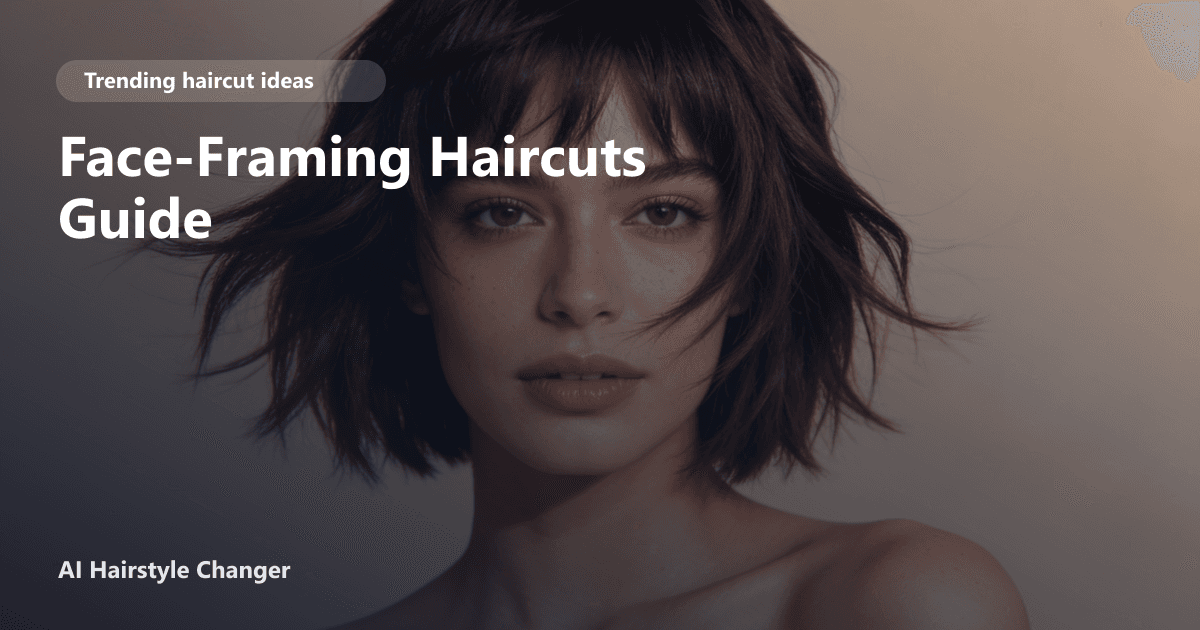
Every haircut decision comes with a bit of risk - especially when you're considering a dramatic, face-framing style like the wolf cut, butterfly cut, or shag. Maybe you've scrolled through endless photos, unsure which look will actually flatter your face shape, hair texture, and lifestyle. The stakes feel high: one wrong move, and you're stuck growing out layers or bangs that don't suit you. That's why more people are turning to virtual try-on tools like AI Hairstyle Changer before making the leap. This guide breaks down the most popular face-framing haircut trends, who they work for, and how to talk to your stylist about getting the look you want - without regret.
Why Face-Framing Haircuts Are Trending
Face-framing cuts are everywhere right now, from TikTok to salon chairs. These styles use strategic layers and bangs to draw attention to your best features - cheekbones, jawlines, or eyes - while adding movement and volume. The appeal is universal: they can soften strong angles, add dimension to fine hair, or bring energy to long, heavy locks. But not every cut works for every face or hair type, and subtle details make all the difference.
The three biggest trends in this family - wolf cut, butterfly cut, and shag - each offer a unique take on layering and shape. Understanding their differences (and how they interact with your hair's natural texture) is key to loving your new look.
The Wolf Cut: Edgy, Effortless, and Versatile
The wolf cut blends the rebellious energy of a shag with the softness of a mullet, creating volume at the crown and piecey, face-framing layers. It's a favorite for those who want something modern but not too polished.
- Who it suits: The wolf cut flatters oval, round, and heart-shaped faces. It works well on straight, wavy, and curly textures, though the final look will differ based on your hair's natural body. If you want to see how it looks on your hair type, AI Hairstyle Changer lets you preview wolf cut variations before you commit.
- What to ask for: Request choppy, blended layers starting around the cheekbones, with a bit of length left at the nape. Curtain bangs or wispy fringe add softness. Specify if you want more or less volume at the crown.
- Maintenance: Medium. The wolf cut grows out gracefully, but regular trims keep the shape fresh. Styling can be low-effort - air-drying and texturizing spray work for most.
- When it fails: If you have very fine or thin hair, the wolf cut can look flat without added texture. On very thick hair, ask for debulking to avoid a helmet effect. For curly hair, see Wolf Cut for Curly Hair: Layers Without Losing Shape.
The Butterfly Cut: Volume and Movement Without Losing Length
The butterfly cut is perfect if you crave volume and shape but can't bear to lose your long hair. This style uses soft, face-framing layers that start at the chin or collarbone, with the longest pieces left intact.
- Who it suits: Best for medium to long hair, especially if you want to keep length but add bounce. The butterfly cut flatters round, oval, and square faces by creating lift around the cheeks and jawline.
- What to ask for: Request long, blended layers that start at your chin or collarbone, with the shortest layers framing your face and the longest layers left untouched. Ask for a feathery finish rather than blunt ends.
- Maintenance: Low to medium. The butterfly cut grows out softly, but layers can lose definition after a few months. Blow-drying with a round brush or using large rollers brings out the signature movement.
- When it fails: On very short hair, the effect is lost. If your hair is extremely thick, too many layers can create unwanted poof - ask for internal thinning instead.
The Shag: rock-and-roll Layers for Every Texture
The shag is a classic, revived with modern touches. It's characterized by lots of choppy, face-framing layers and often paired with curtain or bottleneck bangs. The result is a lived-in, tousled look with serious attitude.
- Who it suits: Shags are incredibly versatile, working on straight, wavy, or curly hair. They're especially flattering for square and oval faces, as the layers soften strong angles.
- What to ask for: Tell your stylist you want lots of layers throughout, with the shortest pieces at the brow or cheekbone and longer layers cascading down. Bangs can be customized - curtain, bottleneck, or even blunt.
- Maintenance: Medium to high. Shags need regular trims to avoid looking overgrown. Styling is flexible: air-drying for waves, diffusing for curls, or a quick flat iron for straighter looks.
- When it fails: If your hair is very fine, shags can look stringy. For thick hair, ask for thinning shears to avoid bulk.
Comparing Wolf, Butterfly, and Shag: Which Is Right for You?
| Style | Best For | Layer Placement | Fringe/Bangs | Upkeep |
|---|---|---|---|---|
| Wolf Cut | All textures, edgy | Cheekbone & crown | Wispy/curtain | Medium |
| Butterfly Cut | Long, thick hair | Chin/collarbone | Optional, soft | Low-Medium |
| Shag | All textures, bold | Brow to jaw, all over | Curtain/bottleneck | Medium-High |
Choosing between these cuts comes down to your goals: do you want to keep length, add volume, or make a statement? Use AI Hairstyle Changer to upload your photo and test-drive each look. You can even save your favorites to show your stylist, ensuring you get exactly what you want.
Four Face-Framing Variations to Consider
1. Wolf Cut with Curtain Bangs
- Adds softness and frames the eyes. Best for straight or wavy hair. Ask for longer, blended bangs and layers that start at the cheekbone.
2. Butterfly Cut with Internal Layers
- Keeps hair looking thick at the bottom while adding movement near the face. Ideal for long, heavy hair. Request layers that are hidden underneath for subtle shape.
3. Shag with Bottleneck Bangs
- Modernizes the classic shag. Bottleneck bangs are fuller at the center and taper at the sides, drawing attention to the eyes and cheekbones.
4. Wolf Cut for Curly Hair
- Emphasizes natural curls while controlling bulk. Ask for sculpted, face-framing layers and avoid thinning shears, which can disrupt curl patterns. For more, see Wolf Cut for Curly Hair: Layers Without Losing Shape.
What to Tell Your Stylist (and What to Avoid)
Walking into the salon with a clear vision is crucial. Here's how to make sure you get the face-framing cut you want:
- Bring references: Photos are helpful, but a virtual try-on from AI Hairstyle Changer is even better. Show your stylist exactly how the cut looks on you.
- Be specific about length: Point out where you want the shortest and longest layers to fall (cheekbone, jawline, collarbone, etc.).
- Discuss your hair texture: Mention if your hair is fine, thick, wavy, or curly. Ask how the cut will adapt to your natural texture.
- Talk about styling habits: If you air-dry or rarely use hot tools, let your stylist know so they can tailor the cut to your routine.
- What to avoid: Vague requests like "just some layers" or "something trendy" can lead to disappointment. Always clarify what you don't want (e.g., too-short bangs, excessive thinning, or layers that start too high).
Maintenance, Upkeep, and Styling Tips
Face-framing haircuts can be as low- or high-maintenance as you want, depending on the style and your hair type. Here's how to keep your new look fresh:
- Regular trims: Most layered cuts need a trim every 6-10 weeks to maintain shape and prevent split ends.
- Styling products: Use a lightweight mousse or texturizing spray for volume. For curls, a curl cream or gel helps define layers.
- Drying techniques: Air-drying works for natural texture; a round brush adds polish to butterfly cuts; diffusing enhances shags and wolf cuts.
- Night care: Consider a silk pillowcase or loose braid to reduce friction and keep layers looking smooth.
How AI Hairstyle Changer Reduces Haircut Regret
The biggest fear with any major haircut is not knowing how it'll look until it's too late. AI Hairstyle Changer solves this by letting you try on wolf cuts, butterfly cuts, shags, and more using your own selfie. You can experiment with different lengths, fringe styles, and layering options, then save your favorites as reference for your stylist. This takes the guesswork out of the process and helps prevent post-cut regret.
Trying on styles virtually also lets you compare subtle differences - like the angle of face-framing layers or the width of your bangs - so you can choose the most flattering option. For inspiration, check out Best Wolf Cut Ideas for Long Hair.
FAQ
Can I get a wolf cut or shag if my hair is fine or thin?
Yes, but ask your stylist for subtle, blended layers and avoid over-thinning. Too many layers can make fine hair look stringy. Preview how the cut will look with AI Hairstyle Changer to find the right balance.
How do I know if a butterfly cut will suit my face shape?
Butterfly cuts are versatile, but generally flatter longer faces by adding width and movement. Use a virtual try-on to see how the layers frame your features before committing.
What's the best way to style face-framing layers at home?
Use a round brush for volume, or air-dry for a natural, tousled look. Styling products like mousse or texturizing spray enhance movement. For shags and wolf cuts, scrunching with product brings out texture.
How can I avoid getting too many layers?
Be specific about where you want the shortest and longest layers to fall. Bring photos or AI Hairstyle Changer results to your stylist, and ask for a conservative approach if you're unsure.
Takeaway: Try Face-Framing Cuts Virtually Before You Commit
Face-framing haircuts like the wolf cut, butterfly cut, and shag offer endless ways to refresh your look and highlight your best features. But the key to loving your new style is knowing exactly how it'll work for you. Use AI Hairstyle Changer to try on these trending cuts, experiment with variations, and walk into your next appointment with total confidence. Ready to see yourself in a new look? Head to AI Hairstyle Changer: Try New Looks Before You Cut.