If you have fine hair and are considering a dramatic change, the decision can feel daunting. Will a pixie cut fall flat? Can a short bob add volume where you need it most? With so many short haircut options for fine hair, it's easy to get overwhelmed by inspiration photos - especially when you want a style that genuinely suits your features and hair texture. The right cut can transform fine hair from limp to lively, but the wrong one can leave you wishing you'd never picked up the scissors.
That's where planning, visualizing, and even digitally trying on styles before your appointment can make all the difference. Here's a practical guide to short haircuts for fine hair, with real-world examples, salon conversation tips, and advice on using AI Hairstyle Changer to preview your next look with confidence.
Why Short Haircuts Work for Fine Hair
Fine hair often struggles with volume, movement, and shape. Shorter styles can help by removing weight, focusing fullness at strategic points, and making maintenance easier. The key is choosing a cut that creates the illusion of density and works with your natural growth patterns.
Short cuts like pixies and bobs are especially popular because they:
- Add lift at the roots and throughout the crown
- Let you play with texture and layering for movement
- Make styling quick and less damaging
- Highlight facial features and bone structure
But the success of any short style for fine hair depends on the details: the length, layering, fringe, and how the cut is shaped to your unique head and face shape. Let's break down the most effective directions for fine hair.
The Textured Pixie: Effortless Volume and Movement
A textured pixie is a go-to for fine hair, thanks to its ability to create fullness without bulk. This style is cut short on the back and sides, with slightly longer layers on top. The key is choppy, feathered layering - ask your stylist to point-cut or razor-cut the top for a tousled, airy finish.
Who it suits: Most face shapes, especially oval and heart. Great for those who want a low-maintenance, wash-and-go look with maximum style impact.
Salon tips:
- Request soft, uneven layers on top (1-2 inches in length)
- Keep the back and sides close but not shaved, unless you love the edgy look
- Consider a side-swept fringe for added softness and volume at the front
- Avoid heavy blunt lines, which can weigh down fine hair
Maintenance: Needs trims every 4-6 weeks to keep the shape crisp. Styling is quick - just a bit of texturizing spray or mousse.
When it fails: If the top layers are too long or heavy, the cut can fall flat. Over-texturizing can also make hair look thin, so balance is key.
For more pixie inspiration tailored to your face and hair type, see the Pixie Cut Guide: Best Pixie Styles by Face Shape and Hair Type.
The Tapered Pixie: Sleek, Modern, and Versatile
The tapered pixie is a modern classic that works wonders for fine hair. It features a gradual fade from the nape and sides up to longer layers at the crown, creating a sleek silhouette with volume right where you need it.
Who it suits: Oval, round, and square face shapes. Particularly flattering for those who want a style that elongates the neck and accentuates cheekbones.
Salon tips:
- Ask for a close taper at the nape and sides, blending into longer top layers (2-3 inches)
- Keep the crown layered and slightly longer for lift
- Try a micro-fringe or side fringe for a softer look
- Specify if you want a dramatic undercut or a subtle transition
Maintenance: Trims every 4-5 weeks. Styling involves smoothing cream or lightweight wax for definition.
When it fails: If the top is cut too short, you lose volume. If the taper is too harsh, it can look severe.
If you're interested in how the tapered pixie can work for different hair types, especially for Black hair, check out the Tapered Pixie Cut for Black Hair guide for tailored advice.
The Layered Short Bob: Classic Shape, Modern Texture
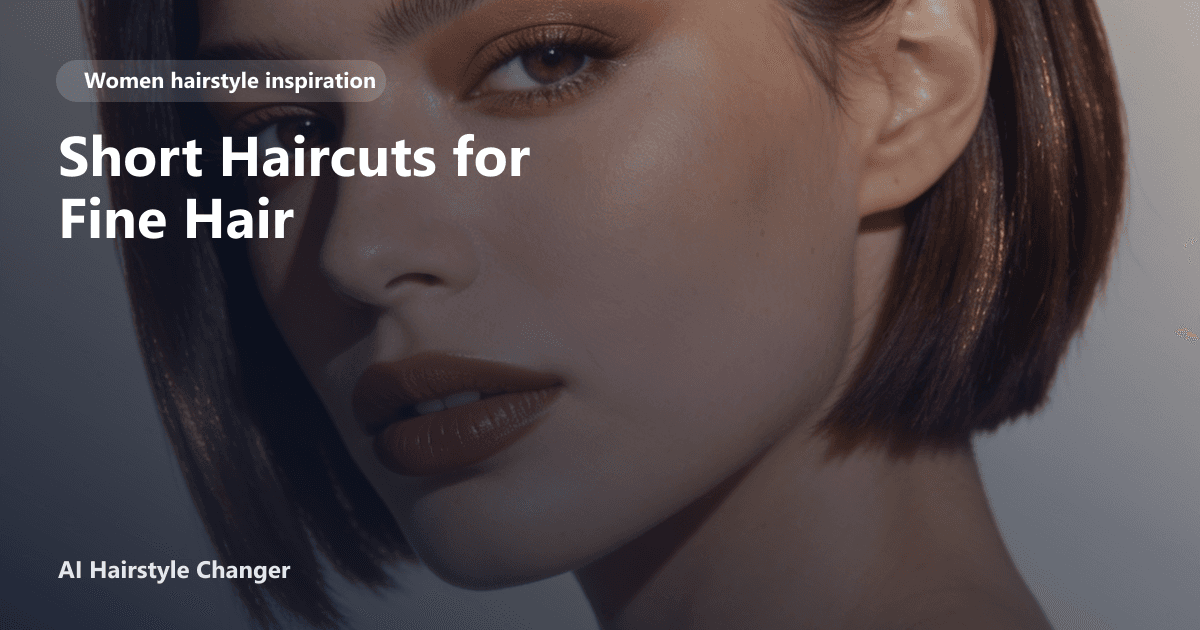
A short bob is a timeless choice for fine hair, but the secret is in the layering. A chin-length or slightly shorter bob with subtle, graduated layers can boost volume and movement without sacrificing shape.
Who it suits: Almost every face shape, but especially flattering for round and square faces. Perfect for those who want a bit more length and styling versatility.
Salon tips:
- Request a length that hits between the jaw and chin
- Ask for soft, graduated layers throughout (not just at the ends)
- Consider a deep side part or a wispy fringe for extra lift
- Avoid heavy blunt cuts, which can make fine hair look stringy
Maintenance: Needs trims every 6-8 weeks. Styling can be as simple as a quick blow-dry with a round brush.
When it fails: If layers are too subtle, the cut can look flat. Too much layering can make ends look thin.
For a deep dive into bob shapes, face matching, and upkeep, visit the Bob Haircut Guide: Types, Face Shapes, and Maintenance.
The Short Shag: Edgy, Youthful, and Full of Life
The short shag is making a comeback for fine hair. With its choppy layers, curtain bangs, and slightly messy finish, the shag adds movement and the illusion of density.
Who it suits: Oval, heart, and long face shapes. Ideal for those who want a playful, undone look with minimal styling effort.
Salon tips:
- Ask for lots of short to medium layers, especially around the crown and face
- Curtain bangs or wispy fringe can add volume at the front
- Keep the length above the shoulders for best results on fine hair
- Avoid razor-thin ends - ask your stylist to leave some weight at the bottom
Maintenance: Trims every 6-8 weeks. Styling is easy: scrunch with a volumizing mousse or air-dry for natural texture.
When it fails: Over-layering can make hair look sparse. Avoid if your hair is extremely thin at the ends.
How to Use AI Hairstyle Changer to Preview Short Cuts
Choosing a new short haircut is a big commitment, especially if you have fine hair and want to avoid disappointment. AI Hairstyle Changer lets you upload a selfie and try on different pixie, bob, and shag styles instantly, so you can see how volume, length, and fringe direction work with your actual features.
How it helps:
- Test multiple lengths and layering options before your appointment
- Compare side-swept vs. blunt fringes or different bob angles
- Shortlist your favorite looks to show your stylist for a more productive consultation
- Reduce the risk of haircut regret by making a confident, informed choice
If you're unsure which pixie variation will suit your fine hair, try the virtual options and then read Pixie Cut for Thin Hair for expert tips on volume and styling.
What to Ask Your Stylist (and What to Avoid)
Walking into the salon with a clear vision is key. Here's how to get the most out of your appointment:
- Bring reference photos of specific cuts you've tried on or love
- Discuss your daily styling routine and how much time you want to spend
- Ask about the best products for adding volume and texture to fine hair
- Be honest about your hair's natural movement and any problem areas (cowlicks, flat spots)
- Avoid asking for styles that require thick, heavy hair if yours is very fine
- Don't be afraid to ask for adjustments - layers can always be added gradually
Maintenance and Styling Tips for Fine, Short Hair
Short cuts for fine hair are generally low-maintenance, but a few tricks can keep your style looking fresh and full:
- Use a lightweight volumizing mousse or spray at the roots
- Blow-dry upside down or with a round brush for extra lift
- Avoid heavy conditioners and oils that weigh hair down
- Schedule regular trims to maintain shape and prevent split ends
- Experiment with parting and fringe direction to change up your look
For more ideas on bobs that work with fine hair, see Best Bob Haircuts for Fine or Thin Hair.
FAQ
What's the best short haircut for very fine, limp hair?
A textured pixie or a layered short bob are usually the most flattering. Both styles add volume at the crown and create movement, making fine hair look fuller. Use AI Hairstyle Changer to preview both and see which suits your face best.
How often should I trim a short cut for fine hair?
Most short cuts for fine hair need a trim every 4-6 weeks to keep the shape sharp and prevent ends from looking thin or ragged.
Can I pull off a pixie cut if I have a round face and fine hair?
Yes - opt for a pixie with volume at the crown and longer, side-swept fringe. Avoid styles that are too flat or cropped close to the head. For more guidance, the Pixie Cut Guide has face shape tips.
Will short hair make my fine hair look even thinner?
Not if you choose the right cut. Strategic layering, added texture, and the right styling products can make fine hair look much fuller in a short style.
Takeaway: Try Before You Cut
Switching to a short haircut can be transformative for fine hair, but the secret is in the details - layering, length, and styling that suit your unique features. With AI Hairstyle Changer, you can preview a range of pixie, bob, and shag styles on your own face, shortlist your favorites, and walk into your next salon appointment with total confidence. Ready to see your next look? Explore AI Hairstyle Changer: Try New Looks Before You Cut and take the guesswork out of your next style change.