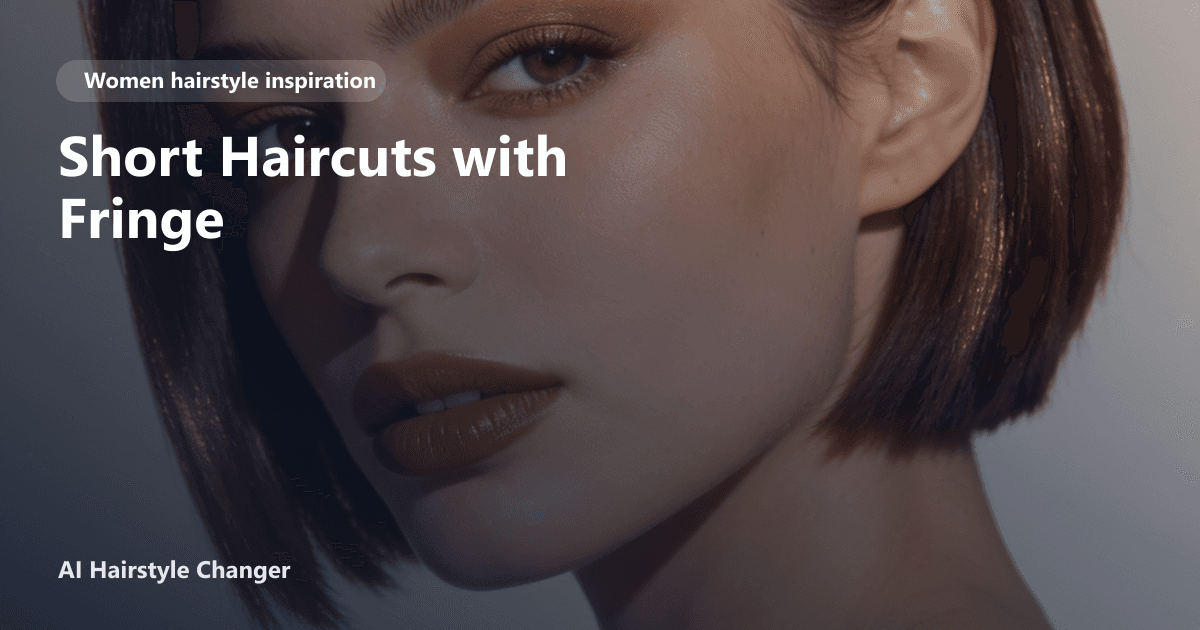
Choosing a short haircut with fringe is a bold move, but the right style can transform your look and confidence. If you're considering a pixie or cropped cut with bangs, you're likely weighing how dramatic to go, which fringe shape flatters your face, and how to avoid a style that's hard to maintain or doesn't suit your hair type. The stakes are high - short hair grows out slowly, and a fringe can make or break the look. That's why many women now turn to tools like the AI Hairstyle Changer to preview options before committing to the scissors.
Why Add a Fringe to a Short Cut?
A fringe (or bangs) can completely change the vibe of a short haircut. It softens strong features, frames the eyes, and adds movement or edge depending on how it's cut. For women with fine hair, a fringe can create the illusion of fuller volume at the front. For those with thick or textured hair, it can lighten up the style and add shape. The key is matching the fringe type to your face shape, hair texture, and lifestyle.
Short cuts with fringe are especially popular for:
- Softening angular or square face shapes
- Balancing a high forehead
- Drawing attention to the eyes
- Adding a modern twist to classic pixies or bobs
Before you decide, consider using the AI Hairstyle Changer to upload a selfie and see how different fringe shapes - blunt, side-swept, wispy, or micro - work with your features.
Classic Pixie with Side-Swept Fringe
The classic pixie cut with a side-swept fringe is timeless and versatile. The hair is cropped close at the back and sides, with longer layers at the top and a sweeping fringe that angles across the forehead. This style works for most face shapes, but it's especially flattering on round and heart-shaped faces, as the diagonal fringe visually elongates and slims the face.
Salon tips:
- Ask for textured layers on top to avoid a helmet effect.
- Request a fringe that starts deep on one side and tapers softly across your brow.
- For fine hair, keep the fringe light and wispy; for thicker hair, a heavier, more defined sweep works well.
Upkeep:
- Expect trims every 4 - 6 weeks to keep the shape sharp.
- Style with a light pomade or texturizing spray for definition.
Not sure if a side-swept fringe will suit you? Preview this look instantly with the AI Hairstyle Changer, adjusting the length and parting to match your preferences.
Textured Crop with Blunt Fringe
A textured crop with a blunt fringe is bold, modern, and perfect for making a statement. The hair is cut short all over, with choppy, piecey layers and a straight-across fringe that sits just above the brows. This style flatters oval and longer face shapes, as the blunt fringe shortens the appearance of the forehead and draws focus to the eyes.
Salon tips:
- Specify a blunt, eyebrow-grazing fringe with minimal graduation.
- Ask for plenty of texture through the crown for volume and movement.
- For thick or wavy hair, the stylist may need to thin out the fringe to prevent heaviness.
Upkeep:
- Trims every 3 - 5 weeks to maintain the crisp fringe.
- Use a flat iron to style the fringe straight if your hair is wavy.
This look is high-impact but can be unforgiving if not tailored to your face. Use the AI Hairstyle Changer to see how a blunt fringe interacts with your features before you commit.
Short Shag with Curtain Fringe
The short shag with a curtain fringe is a softer take on cropped styles, offering movement and a lived-in feel. The hair is layered throughout, with longer pieces around the face and a parted, curtain-style fringe that frames the eyes and cheekbones. This style is ideal for those who want a short cut without sacrificing versatility or softness.
Salon tips:
- Request lots of layering, especially around the crown and face.
- The curtain fringe should be parted in the middle or slightly off-center, blending into the sides.
- Works well for wavy or textured hair, but can be adapted for straight hair with added styling.
Upkeep:
- Trim the fringe every 5 - 7 weeks; layers can grow out a bit longer.
- Style with a sea salt spray or light mousse for movement.
If you're torn between a pixie and a bob, the short shag with curtain fringe is a great in-between. For more inspiration, see the Bob Haircut Guide: Types, Face Shapes, and Maintenance.
Micro Fringe on a Cropped Pixie
The micro fringe - sometimes called baby bangs - is a daring option for those who love a fashion-forward look. The fringe is cut well above the brows, often just an inch or two long, paired with a closely cropped pixie. This style puts all the focus on the eyes and brows, making it best for those with balanced or petite facial features.
Salon tips:
- Ask for a very short, blunt fringe, no longer than mid-forehead.
- The rest of the cut should be tight and neat, with minimal layering.
- Micro fringes work best on straight or slightly wavy hair; curly hair may require extra styling.
Upkeep:
- Frequent fringe trims (every 2 - 3 weeks) are a must to keep the micro length.
- Use a smoothing serum to tame flyaways.
Micro fringes are polarizing - they're striking but not for everyone. Use the AI Hairstyle Changer to try on this look and see if it matches your personality and features before booking a salon appointment.
Who Should Avoid Short Cuts with Fringe?
While short cuts with fringe can be transformative, they aren't always the best choice for every hair type or lifestyle. Consider these factors:
- Very curly or coily hair: Fringes can be unpredictable and require daily styling to avoid shrinkage or unevenness. Instead, consider a Tapered Pixie Cut for Black Hair for a more manageable option.
- Cowlicks at the hairline: Strong cowlicks can make it hard to keep a fringe flat. A side-swept or longer curtain fringe may work better than a blunt cut.
- Low-maintenance needs: If you want a style that grows out gracefully, avoid micro or blunt fringes, which require frequent trims.
- Very fine or thinning hair: Some fringes can make hair look sparser. For tips, see Pixie Cut for Thin Hair or Best Bob Haircuts for Fine or Thin Hair.
How to Talk to Your Stylist About Short Cuts with Fringe
A successful salon visit starts with clear communication. When discussing short cuts with fringe, bring reference photos - ideally ones you've tried on virtually. Here's what to cover:
- Length: How short do you want the back, sides, and fringe? Be specific (e.g., "fringe just grazing my brows" or "pixie length at the nape").
- Fringe shape: Blunt, side-swept, curtain, or micro? Ask your stylist which best suits your face shape.
- Layering: Request texture for volume or a sleeker finish for a more polished look.
- Maintenance: Be honest about how often you can return for trims and how much styling you're willing to do.
If you're unsure, bring a shortlist of styles you've tried with the AI Hairstyle Changer. This makes your preferences clear and helps your stylist understand your vision.
Maintenance and Styling Tips for Short Cuts with Fringe
Short hair with fringe can be surprisingly versatile, but it does require upkeep. Here's how to keep your style looking fresh:
- Trims: Plan on visiting the salon every 4 - 6 weeks for most fringe styles; micro fringes may need more frequent touch-ups.
- Styling: Use a lightweight mousse or texturizing spray for volume. For straight fringes, a mini flat iron can help keep the shape.
- Products: Dry shampoo adds texture and keeps roots fresh between washes. Smoothing serums tame flyaways.
- Growing out: If you want to change your look, ask your stylist to blend the fringe into longer layers for a seamless grow-out phase.
How AI Hairstyle Changer Can Help
Deciding on a short cut with fringe is easier - and less risky - when you can preview the results. AI Hairstyle Changer lets you upload a selfie and try on dozens of short styles, adjust fringe length and direction, and shortlist your favorites for your next salon visit. This saves you from haircut regret and helps you communicate exactly what you want.
You can also use the tool to experiment with styles from the Pixie Cut Guide: Best Pixie Styles by Face Shape and Hair Type, ensuring your new look complements your features and hair texture.
FAQ
What face shapes suit short haircuts with fringe?
Short cuts with fringe work best for oval, heart, and round face shapes. Side-swept and curtain fringes elongate the face, while blunt fringes can balance longer features. For a tailored match, see the Pixie Cut Guide: Best Pixie Styles by Face Shape and Hair Type.
How do I style a fringe on short hair in the morning?
Use a blow dryer and round brush to shape the fringe, then finish with a light pomade or serum to keep it in place. For stubborn cowlicks, a mini flat iron can help smooth the hair.
Are short cuts with fringe hard to maintain?
They require more frequent trims, especially for blunt or micro fringes. Styling is usually quick but may take a few minutes each morning to keep the fringe neat.
Can I try on short haircuts with fringe before cutting my hair?
Yes! The AI Hairstyle Changer lets you preview a wide range of short cuts and fringe styles on your own photo, helping you make a confident decision.
Takeaway: Try Before You Cut
Short haircuts with fringe can be transformative, but the best results come from choosing a style that suits your features and lifestyle. Before booking your appointment, use the AI Hairstyle Changer to try new looks before you cut and bring your favorite options to your stylist. This way, you can step into the salon - and out - with confidence.